Key Takeaways
- Thailand Muaythai has transitioned from a battlefield art into a global lifestyle, blending “Art of Eight Limbs” conditioning with deep cultural heritage and mental resilience.
- Success at elite Thai camps requires high-volume conditioning, proper striking mechanics, and the mental discipline to sustain 5–6 hour daily sessions in extreme heat.
- Training hubs like Bangkok and Phuket offer specialized focuses, ranging from elite stadium-level clinch work to premium recovery services for international strikers.
- Dedicated practitioners can secure long-term stays via the Destination Thailand Visa (DTV) to sustain the rigorous 5–6 hour daily schedules required for mastery.
Thailand Muaythai is the definitive combat discipline known as the “Art of Eight Limbs,” weaponizing fists, elbows, knees, and shins for maximum striking efficiency. This ancient martial art, with roots tracing back to the Sukhothai era, transitioned from battlefield tactics to a global sport that demands elite physical conditioning. Today, it serves as the foundation for modern striking and high-intensity tactical training.
We recognize this sport has evolved into a comprehensive lifestyle where performance and discipline define the modern fighter’s daily routine. MAVINN training programs are designed to help dedicated fighters navigate Bangkok’s elite training camps and bring authentic Muay Thai discipline into their daily routine.
Why Thailand Muaythai is the Ultimate Experience
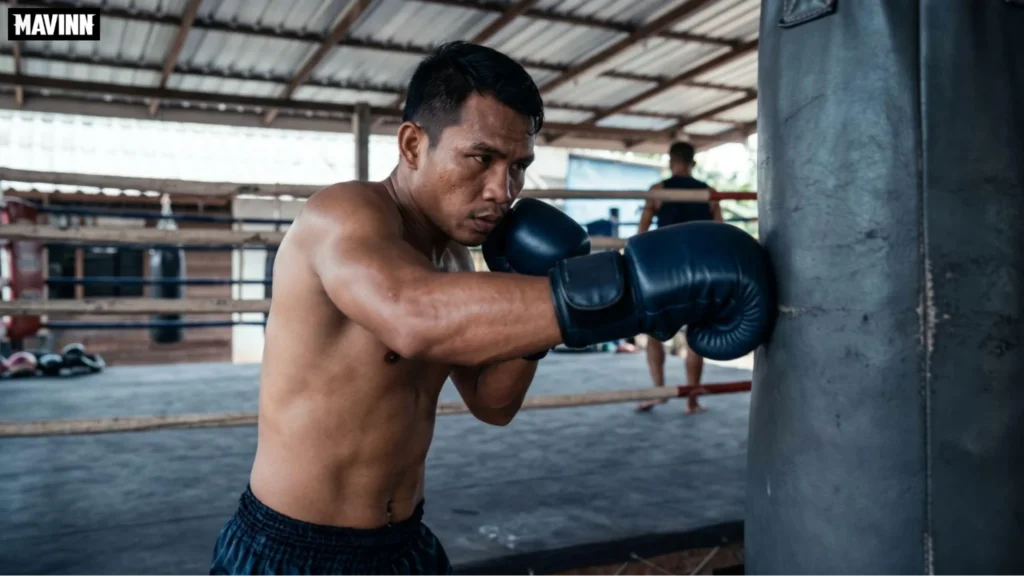
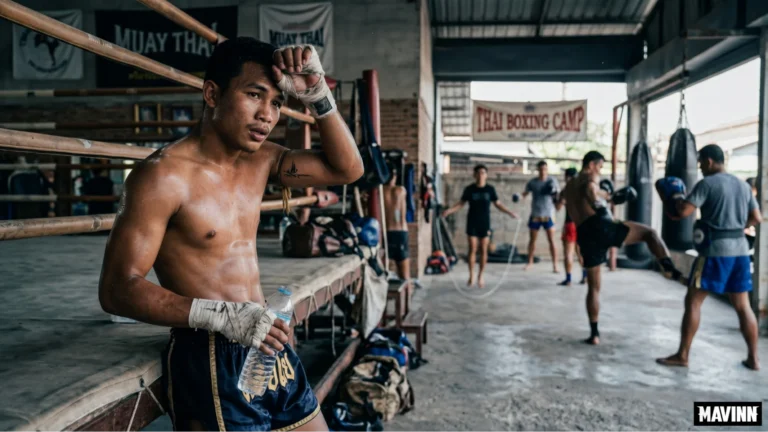
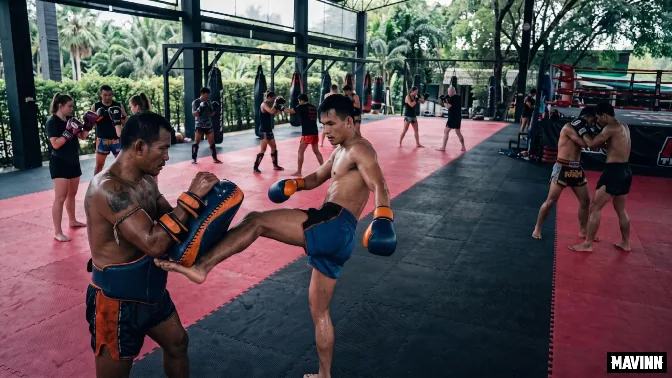
Thailand Muaythai provides an unmatched level of technical mastery because you train at the source where the “Art of Eight Limbs” originated. Training here emphasizes high-volume conditioning and specialized clinch work that most international gyms cannot replicate. For any dedicated fighter, Thailand provides an environment where you learn to manage distance and timing while absorbing the raw energy of a traditional open-air camp.
The experience bridges the gap between gritty combat tradition and modern street-sport lifestyle, making it a destination for serious athletes. You get to witness world-class strikers at iconic venues like Rajadamnern Stadium or Lumpinee, where the atmosphere and stakes are at their peak. These fights demonstrate the practical application of technical elbow strikes and knee-heavy clinch work used at the highest level.
Daily life in a Thai camp involves rigorous schedules, often totaling 5 to 6 hours of training across two daily sessions. This total immersion forces your body to adapt, rapidly improving your striking power and cardiovascular endurance beyond standard gym workouts. You leave with a refined fighting IQ and a genuine connection to the cultural roots of the sport.
Best Regions for Your Thailand Muaythai Camp
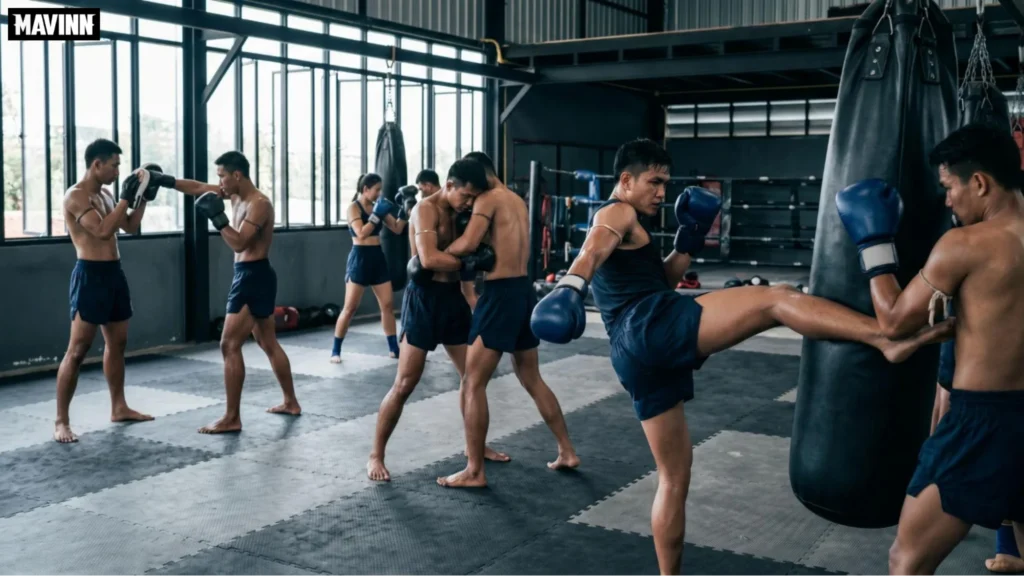
Your training goals dictate which Thailand Muaythai region will maximize your progress, ranging from the technical pressure of the capital to the high-intensity hubs of the south. Bangkok serves as the professional proving ground where you gain direct access to legendary instructors and the highest concentration of stadium-ranked professional fighters. Training in the city forces you to adapt to the heat and the relentless pace of a pro-fighter’s daily schedule.
Coastal hubs like Phuket provide a hybrid “Fight Street” aesthetic where high-performance gyms sit alongside recovery centers and street-sport culture. This atmosphere is built for the modern athlete who pairs intense daily training with world-class strength and conditioning facilities. In contrast, Northern Thailand offers a traditional immersion that focuses on steady-state cardio and the classic rhythm of this centuries-old art.
| Region | Primary Focus | Training Environment | Best For |
|---|---|---|---|
| Bangkok | Elite Technicality | Gritty, high-pressure urban camps | Aspiring pros and clinch specialists |
| Phuket | Fitness & Performance | Modern, beach-side “Fight Street” | Global athletes and lifestyle strikers |
| Northern | Culture & Endurance | Scenic, traditional outdoor gyms | Long-term students and value seekers |
Bangkok: The Capital of Elite Stadiums
Bangkok is the global pulse of thailand muaythai, hosting the world’s most elite stadiums where championship legacy is defined. Rajadamnern and Lumpinee Stadiums serve as the twin pillars of professional combat, attracting the highest caliber of international strikers and local icons. These arenas are where technical mastery meets the raw energy of a live, high-stakes crowd.
Rajadamnern Stadium, established in 1945, remains the pinnacle for traditionalists seeking authentic five-round warfare in a historic setting. Conversely, the New Lumpinee Stadium provides a modern infrastructure designed for global broadcasts and multi-disciplinary combat events. Each venue operates under strict sanctioning bodies that uphold the most rigorous professional scoring criteria.
Phuket & Southern Islands: High-Performance Hubs
Phuket and the southern islands offer the world’s most effective blend of high-intensity combat training and tropical recovery. You can complete a grueling morning session at a professional camp and be on a beach by noon. For those entering the fighting Thailand circuits, this region provides a premium lifestyle experience where elite coaching meets world-class strength and conditioning equipment.
We recommend training hubs like Chalong, where you will find around 10 major Muay Thai camps clustered in a single district. These facilities provide access to professional-grade equipment and specialized recovery services like ice baths and sports massage. The training culture here is fast-paced and modern, mirroring the street-style energy found in major global cities.
Northern Thailand: Authentic & Budget Friendly
Northern Thailand serves as the most cost-effective destination for a Thailand muaythai camp while maintaining a high standard of technical instruction. You can access elite coaching in Chiang Mai at notably lower cost than Phuket or Bangkok. These gyms often prioritize technical clinch work and “Muay Femur” styles at renowned facilities.
The mountain air provides a natural advantage for conditioning, allowing you to sustain high-volume training blocks without the stifling humidity of the southern coast. Local camps are deeply rooted in the community, offering a raw, street-level atmosphere.
Here is a quick breakdown of daily expenses in the north:
- Gym drop-in fee: 300–500 THB
- Standard monthly training: 8,000–12,000 THB
- Authentic street food meal: 50–80 THB
- Basic scooter rental: 150–250 THB
Choosing a Gym for Your Goals: Fighting in Thailand
You must align the gym’s training culture with your specific objective, whether it’s professional competition or technical fitness. Fighter-centric camps prioritize high-volume sparring and intense clinch work designed for active stadium competitors. These facilities typically demand a six-day-a-week commitment and follow a traditional double-session daily routine.
Location dictates your recovery and lifestyle, so choose between the fitness-heavy social hubs in Phuket or the grit of traditional Bangkok camps. Smaller gyms often offer a superior trainer-to-student ratio, which is vital for mastering the nuances of a proper roundhouse kick or elbow strike. We recommend gyms that limit group classes to 15 participants to ensure every student receives individual attention during pad work.
When evaluating a prospective camp for your thailand muaythai goals, look for these specific factors:
- Trainer background (prioritize former Lumpinee or Rajadamnern stadium champions)
- Facility hygiene (look for well-ventilated spaces and regularly disinfected mats)
- Proximity to recovery services like ice baths or professional sports massage
- Availability of quality equipment and on-site shops for authentic gear replacement
How Much Does a Camp Cost for a Fighter in Thailand?
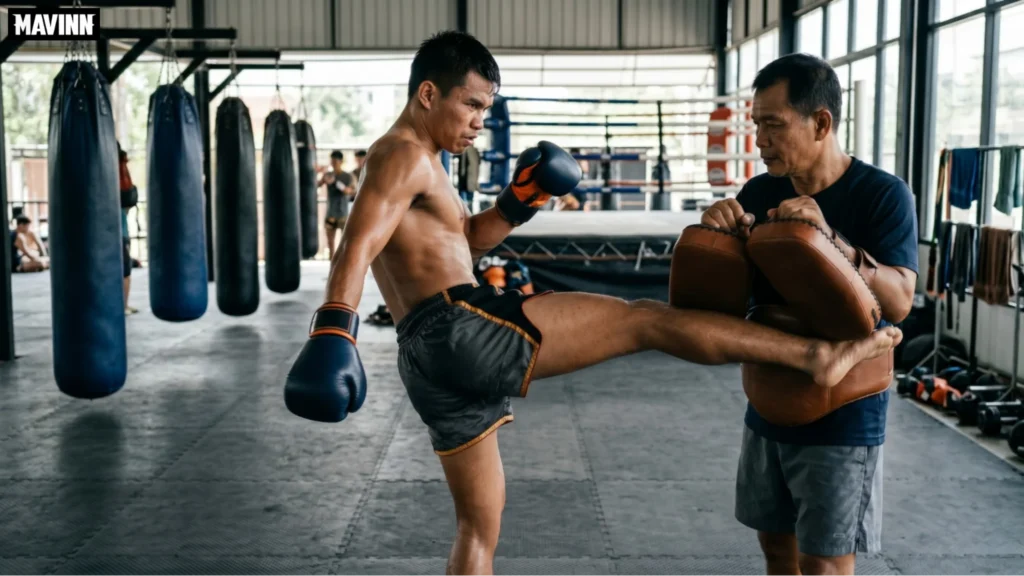
A full-time thailand muaythai camp typically costs between 10,000 and 45,000 THB per month depending on whether you choose training-only or all-inclusive packages. Basic training sessions alone usually range from 300 to 600 THB for a single drop-in class. Most gyms offer discounted weekly rates starting at 2,500 THB to provide better value for those training on a short-term basis. For an active fighter Thailand offers highly competitive monthly rates:
Location impacts pricing, as camps in tourist hubs like Phuket or Koh Samui generally cost more than those in Bangkok or rural Isaan. You should budget extra for high-quality gear like leather gloves and shin guards if you do not bring your own. Elite camps often include access to recovery facilities like ice baths and specialized strength sessions.
| Package Type | Estimated Cost (Monthly) | Included Services |
|---|---|---|
| Training Only | 10,000 – 15,000 THB | 2 sessions per day, gym access |
| Training + Housing | 20,000 – 30,000 THB | 2 sessions per day and a standard room |
| All-Inclusive | 35,000 – 50,000+ THB | Training, AC room, and 2 meals per day |
Visa Options for a Long Term Stay in Thailand
You can secure a long-term stay for Thai muaythai training primarily through the Destination Thailand Visa (DTV) or a standard Education (ED) Visa. The DTV is the current top-tier option, offering a five-year multi-entry permit for serious practitioners and digital nomads. If you opt for the ED Visa, you must enroll in a certified gym that issues the documents required for an initial 90-day stay, which extends in 90-day increments up to 6–12 months total subject to attendance.
| Visa Type | Duration | Best For |
|---|---|---|
| DTV | 5 Years | Long-term training with high flexibility |
| ED Visa | 6–12 Months | Structured training at a single gym |
| Tourist (TR) | 60+30 Days | Short-term fight camps or trials |
Elite gyms in hubs like Bangkok and Phuket typically handle the ED Visa paperwork once you commit to a long-term training package. To qualify for the DTV, you must show a bank balance of 500,000 THB and provide proof of your training schedule or fight record. This permit allows for stays of 180 days per entry, providing ample time to recover between intense training blocks or professional competitions.
Essential Gear and Prep for Fighting in Thailand
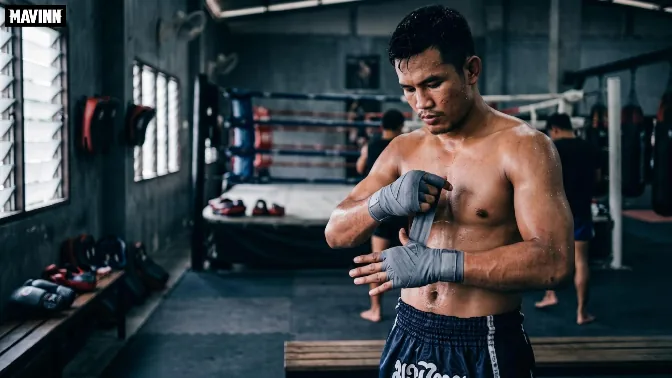
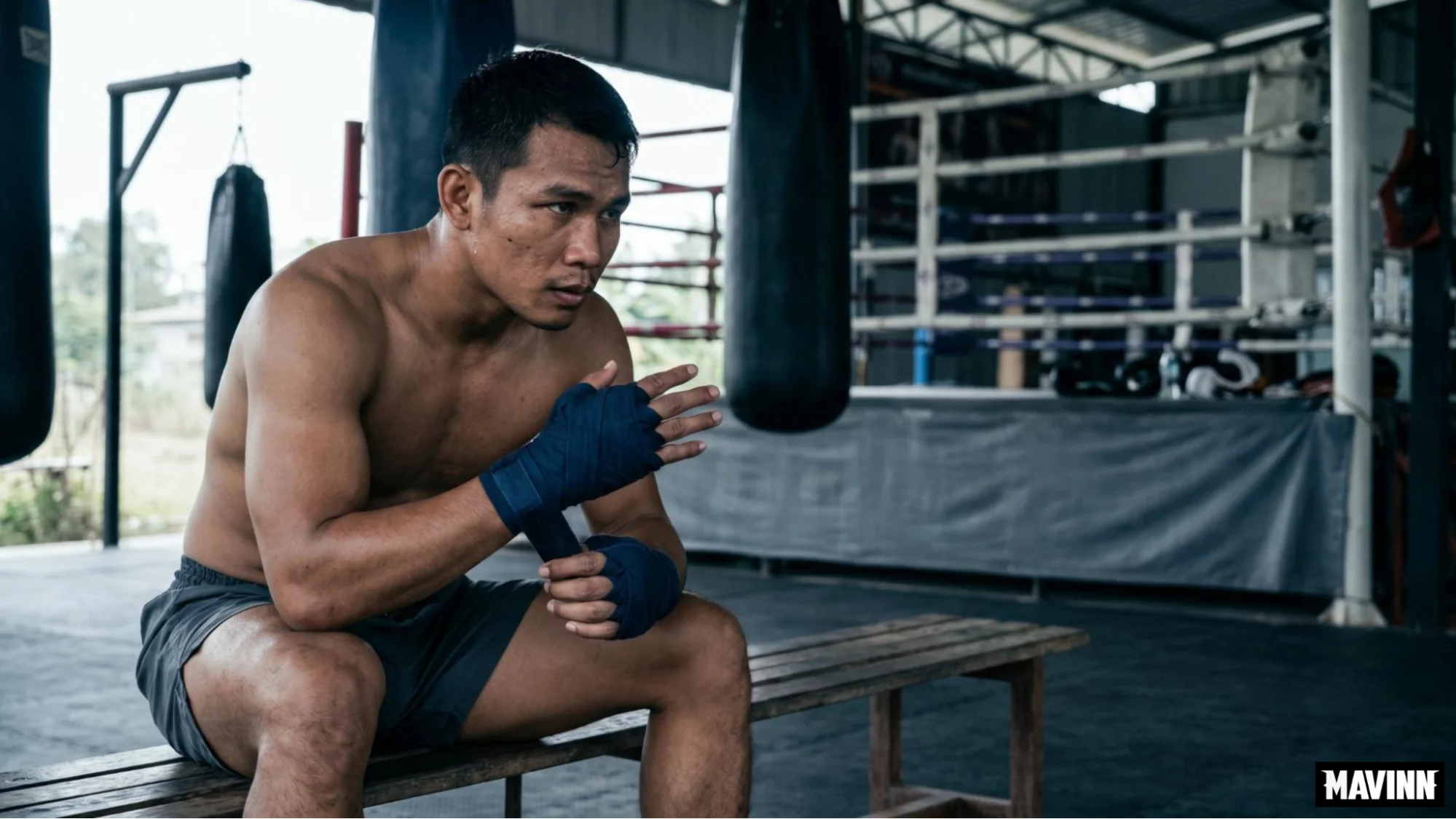
Essential gear and prep for fighting in Thailand requires specific investments. You need 10oz leather gloves, breathable satin shorts, and a specific “Combat Sports” insurance policy before stepping into a Thai ring. Training for thailand muaythai in extreme heat requires gear made from high-grade cowhide, as synthetic materials often peel and crack in tropical humidity. We recommend bringing at least two sets of handwraps to ensure you always have a dry pair for the afternoon session.
Essential gear and administrative requirements include:
- Gloves: 10oz for stadium fights; 16oz for daily gym sparring.
- Shorts: High-slit designs to ensure zero restriction during head kicks.
- Protection: Steel-cup groin guards are mandatory for most sanctioned stadium bouts.
- Paperwork: A medical certificate from a local Thai clinic and proof of insurance covering high-risk activities.
Your medical clearance must be current and presented to stadium officials before the bout to be accepted. Ensure your shinguards utilize heavy-duty hook-and-loop straps to prevent shifting during high-intensity clinching or checking. Most professional bouts in Bangkok also require a pre-fight physical that includes a mandatory neurological assessment and blood pressure check.
Conclusion
Thailand Muaythai is the ultimate fusion of traditional “Art of Eight Limbs” mastery and a modern high-performance lifestyle. Whether you are training at Rajadamnern Stadium or a tropical camp in Phuket, the discipline requires total physical and mental immersion. MAVINN training programs are built for fighters who commit to the 5–6 hour daily sessions that define elite Muay Thai mastery in Thailand.
Achieving mastery depends on choosing the right environment, from the technical clinch work of Bangkok to the recovery-focused hubs of the south. Long-term practitioners can now utilize the Destination Thailand Visa (DTV) to sustain their growth over several years. This commitment transforms combat training into a lasting foundation for functional strength and street-ready resilience.