Key Takeaways
- Preparation for a muay thai match centers on mastering the “Art of Eight Limbs,” requiring fighters to synchronize strikes from fists, elbows, knees, and shins across five rounds.
- Judges score bouts based on effective aggression and technical impact, placing higher value on clean, powerful strikes that visibly affect an opponent’s composure.
- Success in the ring depends on high-performance gear, such as specialized shorts and 10oz gloves, which provide the durability and range of motion needed for explosive kicks.
- The pre-fight Wai Kru Ram Muay ritual serves as both a sign of respect and a mental warmup, allowing fighters to find their rhythm before the physical intensity escalates.
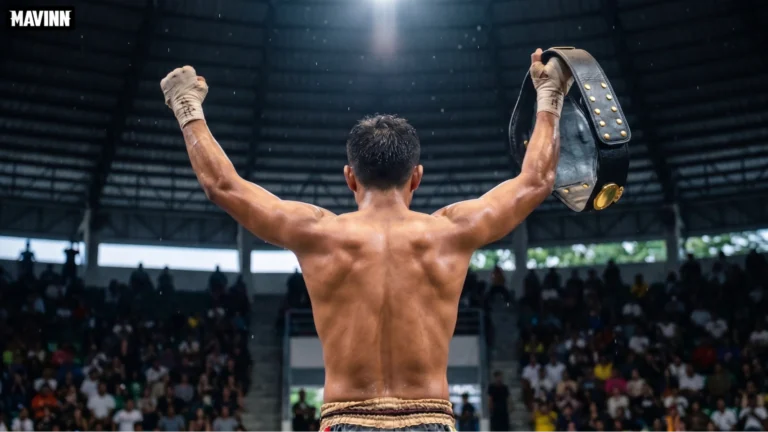
Preparing for your first Muay Thai match is the ultimate test of both traditional technique and modern athletic performance. A professional bout is a technical display of the Art of Eight Limbs, where fighters use fists, elbows, knees, and shins to score points across five three-minute rounds. Mastering this synchronization, along with utilizing the two-minute rest intervals for recovery, builds the cardiovascular foundation required for ring success.
Success in muay thai matches focuses on clean strikes and dominance in the clinch rather than sheer aggression. Fighters must maintain physical composure and balance while defending against heavy leg kicks and knee strikes. Whether you are stepping into a local ring or aiming for major venues like Rajadamnern or Lumpinee Stadium, understanding how to train, score effectively, and manage the pressure is crucial for securing a victory.
What to Expect During Your First Muay Thai Match Camp
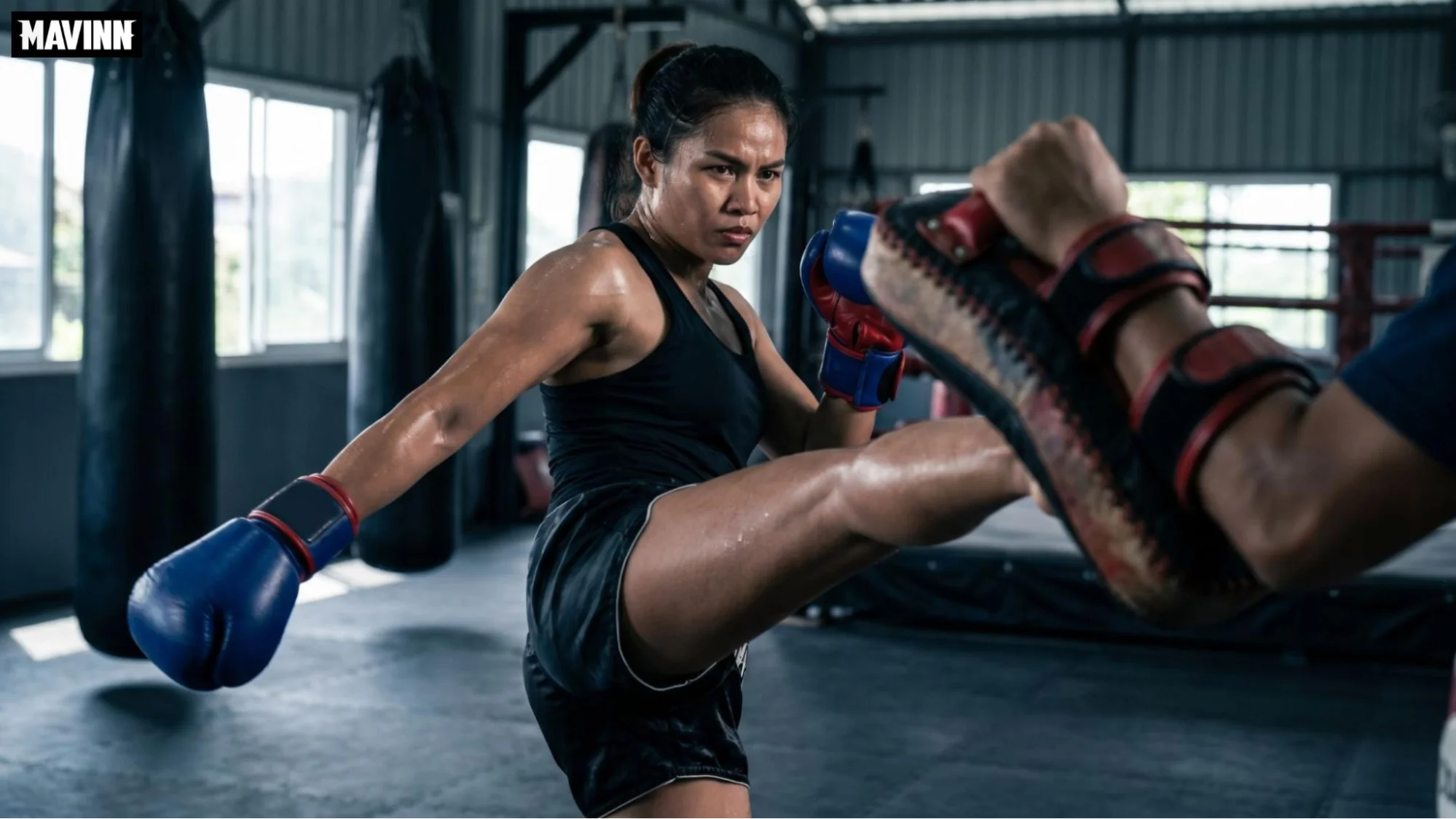
Your first Muay Thai match camp is a high-intensity, six-to-eight-week period designed to build the aerobic capacity and mental toughness required for full-contact competition. You will undergo two daily training sessions that prioritize explosive power and fight-specific conditioning. A typical morning starts with a 5km to 10km run followed by heavy bag intervals to maintain a heart rate above 150 BPM.
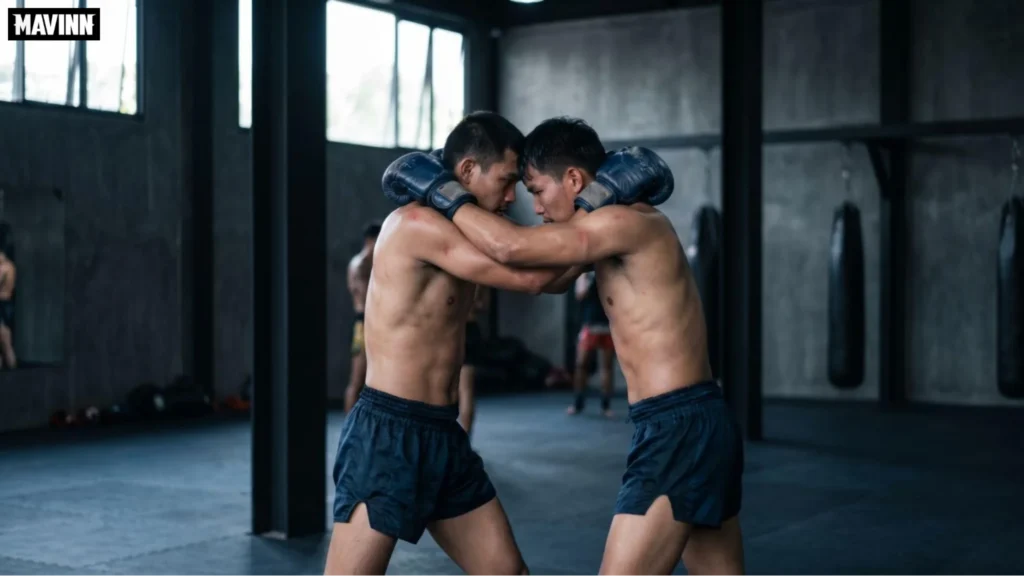
Technical training shifts from general skills to specific strategies tailored to your opponent’s style. We focus heavily on the clinch, requiring you to grapple for 30 consecutive minutes to build necessary neck and core strength. In the final weeks, coaches monitor your caloric intake and hydration daily to ensure you hit your targeted weigh-in limit safely.
1. Daily roadwork sessions covering 5km to 10km.
2. Intensive clinch drills lasting 20 to 30 minutes.
3. High-volume pad work focused on power and accuracy.
4. Controlled sparring to practice specific defensive counters.
Essential Training Routine to Win Your Muay Thai Match

Winning a muay thai match requires a disciplined eight-week camp focusing on aerobic conditioning, technical drilling, and high-intensity sparring. You must prioritize roadwork by running at least 5-8 kilometers every morning to build the cardiovascular engine needed for five full rounds. This endurance base ensures you maintain explosive striking power during the final minutes when fatigue typically compromises a fighter’s defense.
Technical sessions should center on high-volume pad work where trainers push your heart rate to 170+ BPM through rapid-fire combinations and defensive resets. We recommend integrating 30 minutes of clinch work into every training session to toughen the neck muscles and master off-balancing techniques. Dominating the inside game often decides the victor in close matches by neutralizing the opponent’s ability to throw long-range strikes.
Strength and conditioning should focus on plyometrics and rotational power to maximize the velocity of your roundhouse kicks and knees. Finish every workout with 200 knee strikes on the heavy bag and dedicated neck resistance drills to ensure you can absorb impact safely. Consistent weight management throughout camp allows you to hit the scales at 100% health without the performance-killing stress of a drastic water cut.
Cardio, Sparring, and Clinch Drills
Winning a Muay Thai match requires a gas tank built through high-intensity interval training, controlled technical sparring, and exhaustive clinch work. You must combine steady-state roadwork with anaerobic sprints to survive five full rounds of explosive action. We recommend 5-kilometer runs punctuated by 100-meter hill sprints to mimic the rapid heart rate spikes experienced during a fight.
Technical sparring sessions focus on relaxed exchanges where you practice reading an opponent’s rhythm without the risk of head injuries. These rounds allow you to test your defensive shells and counter-striking timing under pressure. Focus on landing clean, light shots to build the muscle memory needed for 15 minutes of live combat.
Clinching is the most physically demanding aspect of preparation, requiring immense isometric strength and neck endurance. You should perform clinch drills in 20-minute continuous blocks to learn how to manipulate an opponent’s balance while exhausted. Mastering this leverage ensures you maintain control when the fight moves into the “plum” position.
Importance of Rest and Recovery During Fight Week
Rest and recovery during fight week ensure your body reaches peak explosive power and mental clarity the moment you step into the ring for your muay thai match. You cannot gain more cardiovascular fitness in these final days, but you can easily compromise your performance by overtaxing your central nervous system. We focus on deep sleep and neurological repair to keep your reaction times sharp enough to counter high-speed head kicks.
You must transition from high-intensity sparring to low-impact movement like light shadowboxing and targeted mobility drills. Heavy lifting or hard rounds within the final 72 hours creates micro-tears that will not heal before the bell, leaving your gas tank empty by round three. Prioritize 8 to 9 hours of sleep each night to manage cortisol levels and keep your mind locked in during the final stages of a weight cut.
Understanding Rules and Scoring in Muay Thai Matches
Scoring in a Muay Thai matches prioritizes damage, technical dominance, and the effective use of all eight limbs rather than just volume. A professional bout usually runs for five three-minute rounds, where judges evaluate who lands the most impactful strikes. We see the highest scores awarded for techniques that clearly hurt the opponent or force them to lose their fighting stance.
You must land “effective” strikes, which means hitting a target with enough force to disrupt your opponent’s balance or rhythm. The clinch is a critical area where judges reward aggressive knee strikes and successful off-balances that dump an opponent to the canvas. A fighter who controls the center of the ring and dictates the pace will usually secure the 10-9 round score.
In most stadiums, a “10-point must” system is used, but the overall performance across all rounds determines the victor. If you land a heavy head kick that results in a 10-8 round, it often shifts the momentum of the entire fight. Fighters who finish strong in the final two rounds are frequently favored in close decisions due to the tradition of “showing heart” and physical stamina.
Best Gear for Your Muay Thai Match Preparation
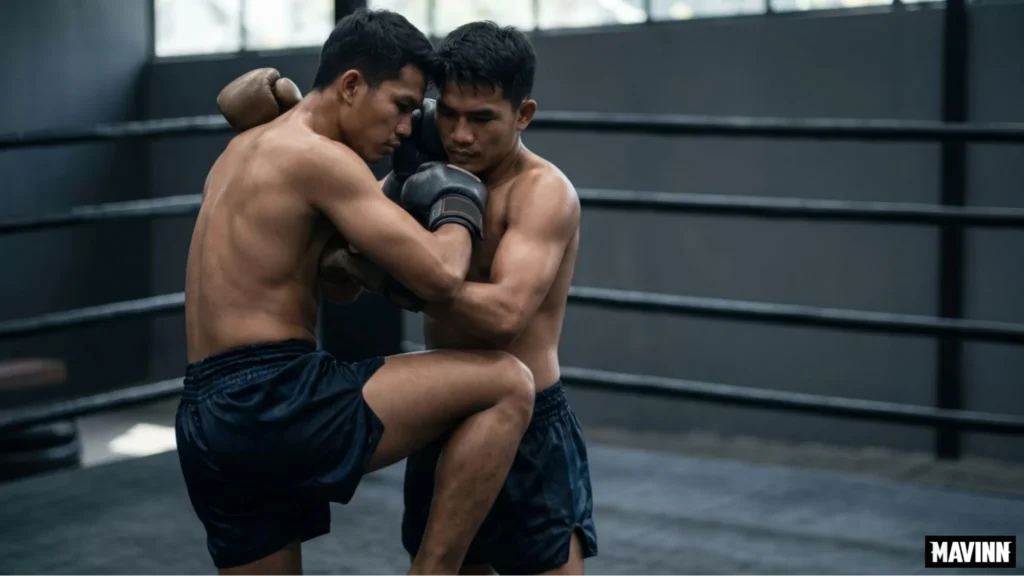
Preparing for a Muay Thai match requires high-impact gear that prioritizes joint protection and heat management during intense drilling. You must use 16oz sparring gloves with reinforced wrist support to prevent hyper-extension during heavy clinch work and pad sessions. Training with gear that mirrors your competition weight—typically 8oz or 10oz—is vital for conditioning your shoulders and timing.
Shin guards should feature multi-layered, high-density foam that absorbs impact without shifting during explosive multi-strike combinations. We recommend selecting equipment made from premium cowhide or high-grade synthetics to withstand the constant friction of two-hour training blocks. A professional-grade mouthguard is essential and must be custom-molded to ensure unobstructed airflow when your heart rate peaks during live sparring.
Your apparel must handle extreme sweat while allowing the total range of motion needed for high kicks and knees. Look for shorts with a wide leg silhouette and moisture-wicking technology that prevents the fabric from clinging to your skin. Proper gear selection directly impacts your ability to sustain a high output over five full rounds.
Why Quality Gloves and Shin Guards Make a Difference
Quality fight gear delivers the high-density impact protection and anatomical fit required to survive the explosive intensity of a professional muay thai match. Premium multi-layered foam absorbs significantly more force than budget alternatives, helping prevent common training injuries like shin splints. This technical edge lets you throw heavy low kicks with the confidence that your shins remain fully shielded from bone-on-bone contact.
Muay Thai-specific gloves often use a short-cuff design that facilitates the fluid wrist rotation necessary for effective clinching and neck wrestling. Standard boxing gloves can restrict movement in the clinch, while reinforced leather construction provides stability without sacrificing your ability to pull the head or throw elbows. Look for a dual-strap closure system that keeps the gear locked in place during high-volume striking sequences.
Weight Cutting and Nutrition for Your Muay Thai Match
Successful weight cutting for a Muay Thai match requires a strategic transition from a performance-focused diet to controlled water loading and sodium manipulation. You must maintain a caloric deficit while keeping protein intake at approximately 1.2 to 1.5 grams per pound of body weight to preserve lean muscle. We recommend lowering daily fiber intake below 10 grams during the final three days to minimize weight from undigested food.
1. Increase water intake to 2 gallons daily starting five days before weigh-ins to trigger the flushing effect.
2. Gradually reduce sodium and carbohydrate intake to shed excess subcutaneous water weight.
3. Restrict all fluid consumption 12 to 18 hours before the scale to reach your target weight.
After the weigh-in, focus on immediate rehydration using a solution containing glucose and electrolytes like sodium and potassium. You should aim to consume 150% of the total weight lost during the cut within the first few hours to restore plasma volume. Prioritize simple carbohydrates like white rice or pasta to replenish muscle glycogen, targeting 50 to 75 grams of carbs every hour.
Mental Preparation Managing Nerves Before Your Muay Thai Match
Control your heart rate by using diaphragmatic breathing as soon as you arrive at the stadium for your Muay Thai match. Nerves are a natural adrenaline spike that you must channel into explosive movement rather than allowing it to cause stiff, heavy muscles. Many professional fighters use “box breathing”—inhaling, holding, and exhaling for four seconds each—to stabilize their central nervous system before wrapping their hands.
Visualization helps you execute your game plan by mentally rehearsing the fight before the first bell rings. Close your eyes and picture specific reactions, like landing a lead-leg teep to disrupt an aggressive opponent’s rhythm while the crowd is roaring. This process builds “muscle memory” for the brain, which significantly reduces the sensory overload caused by the bright lights and traditional Sarama music.
Establish a strict pre-fight ritual to create a psychological “safe zone” inside the locker room. Follow the exact same sequence for your Thai oil application and dynamic stretching to signal to your body that it is time to perform. Elite nak muay often begin their shadowboxing and pad work well before their scheduled walk-out to ensure their peak heart rate is ready for round one.
How to Find Local Muay Thai Matches Near You
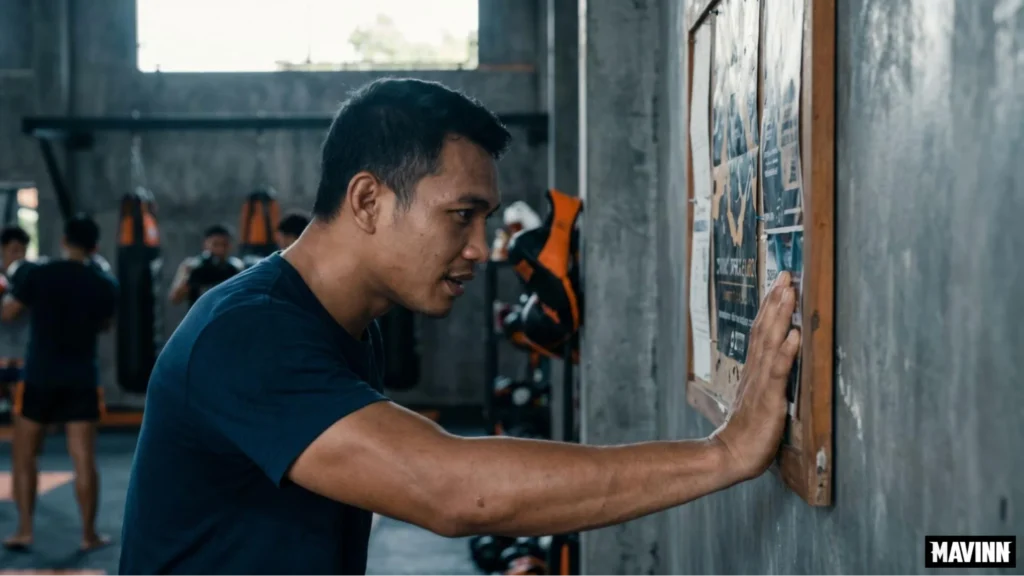
You can find local muay thai matches by searching Facebook Groups and Instagram hashtags or visiting prominent fight gyms in your area. Most regional promoters announce fight cards 3 to 4 weeks in advance on social media to build hype. You should follow local fight commissions or gym pages, as they often post digital posters with venue details and weigh-in schedules.
To secure your spot at the next event, follow these steps:
1. Search Facebook for terms like “Muay Thai promotions” or “Friday Night Fights” plus your city name.
2. Visit local Muay Thai gyms and check their bulletin boards for physical flyers.
3. Check the schedule of your city’s major sports arenas or civic centers.
Joining a local gym’s mailing list is the most reliable way to get early-bird tickets for high-stakes matches. Front-row seating for these events often sells out quickly after the announcement. If you are in a major fight hub, checking the official stadium website remains your fastest route to a guaranteed seat.
Conclusion
Winning a Muay Thai match demands a perfect balance of technical skill and tactical patience. You must effectively coordinate your hands, feet, knees, and elbows while maintaining defensive composure under heavy pressure. Most professional bouts are decided in the final two rounds, where cardiovascular endurance and clinch control often outweigh raw power.
Success in the ring relies heavily on the quality of your training camp and the durability of your equipment. Whether you are a stadium regular or an amateur debutant, prioritizing recovery and shin conditioning is essential for career longevity. Focus on landing clean, scoring strikes rather than wild swings to impress judges and control the fight pace.