Key Takeaways
- Teep – Functioning as a martial arts jab, this front push kick is essential for managing distance, disrupting an opponent’s rhythm, and maintaining defensive positioning.
- Precision depends on a high knee chamber and a forceful extension through the ball of the foot, focusing on a pushing motion rather than a snapping impact.
- Landing a well-timed strike to the solar plexus or hips can neutralize aggressive forward momentum and force an opponent to reset their entire offensive strategy.
- Integrating feints with the lead and rear leg prevents opponents from timing the kick, making it easier to set up high-impact follow-up combinations or defensive exits.
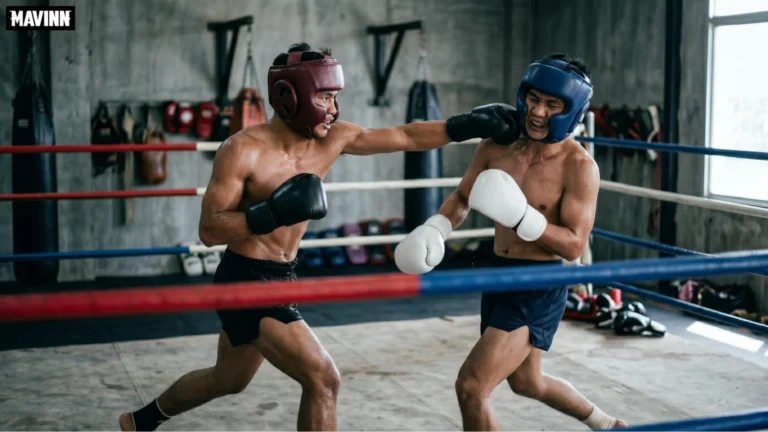
Teep is a foundational push kick used to control distance, disrupt an opponent’s rhythm, and deliver a powerful strike. Functioning as the “jab” of the legs, it allows you to keep aggressive opponents at bay while maintaining perfect balance. Mastery of this move is essential for anyone training in combat sports or looking to understand the technical depth of martial arts.
A well-timed teep kick can unbalance a heavier fighter by targeting the solar plexus or hips, serving as both a defensive shield and an offensive spear. In this article from MAVINN, we will explore the essential mechanics, variations, and training methods to help you master this vital technique.
What exactly is a Teep in Muay Thai ?
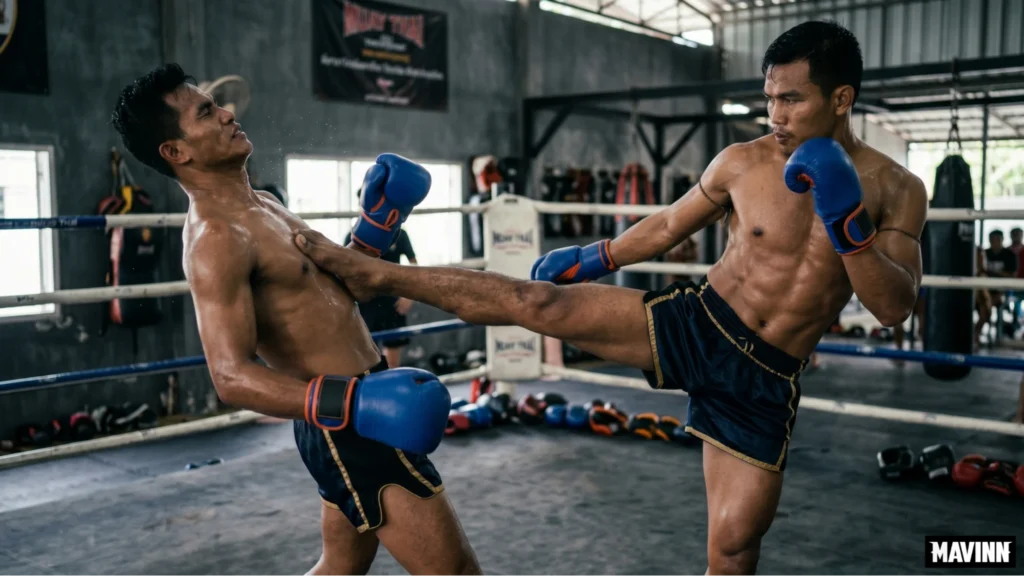
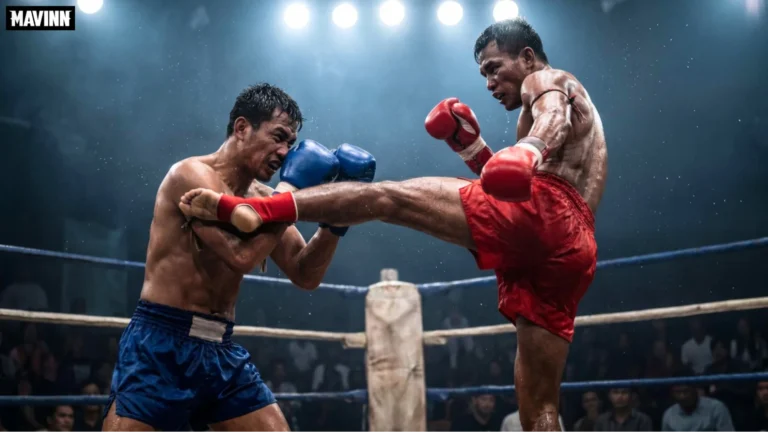
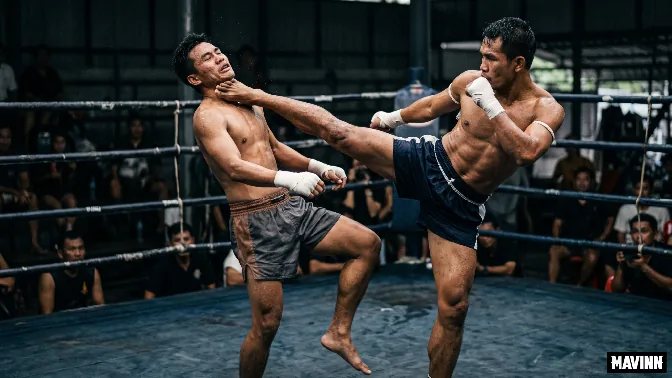
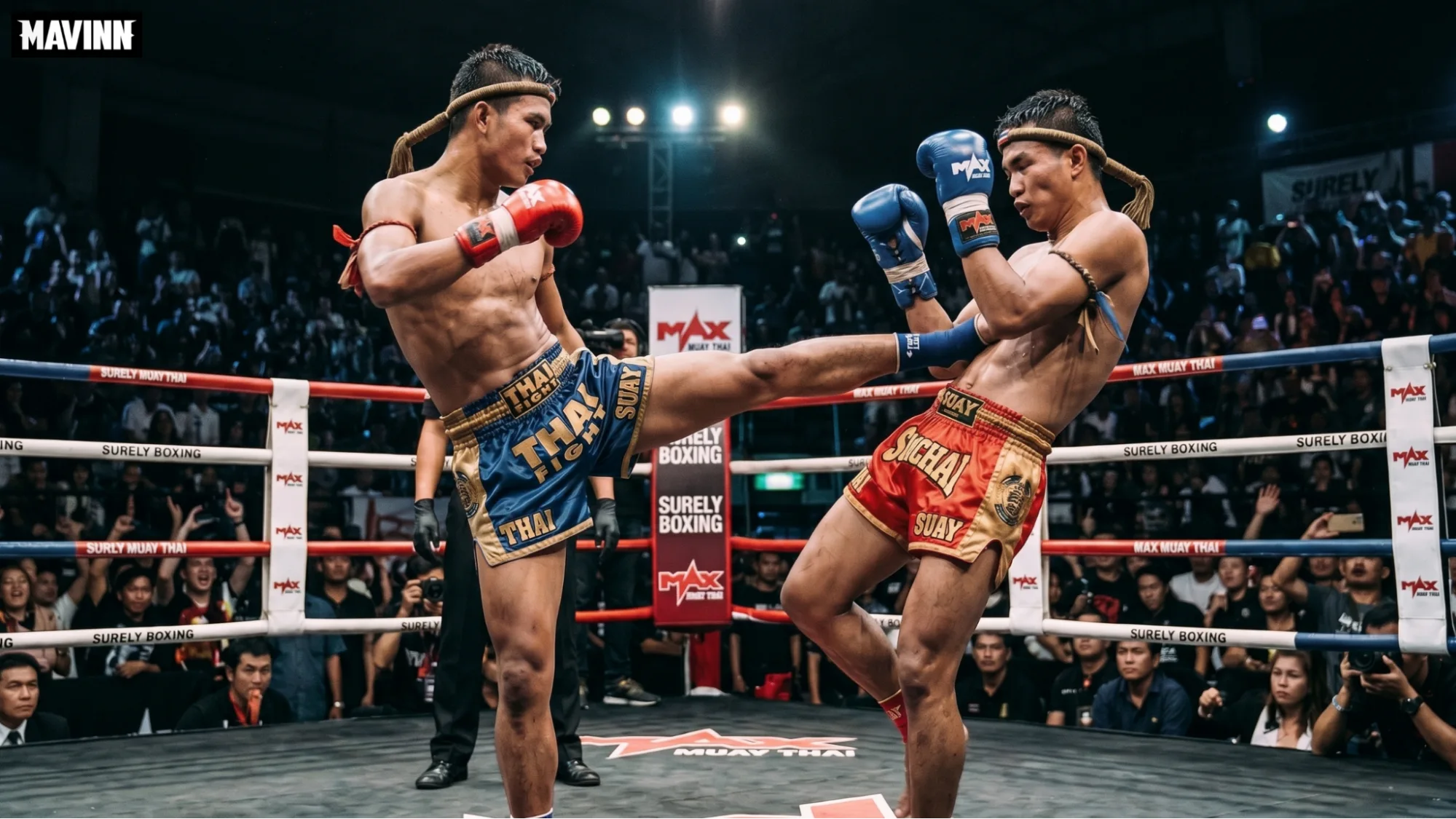
The Muay Thai teep is the equivalent of a long jab, serving as a straight push kick designed to manage distance and stop an aggressive opponent. You execute it by thrusting the ball of the foot or the heel forward to prioritize balance and control over raw power. A well-placed lead strike to the solar plexus can effectively knock the wind out of a charging fighter.
Beyond defense, we treat the Muay Thai teep as a tactical weapon that frustrates opponents by keeping them stuck at the end of your reach. You can target the hip joints to kill forward momentum or aim for the lead thigh to deaden an opponent’s movement during clinch entries. In professional bouts, a single well-timed strike to the lead hip can neutralize a heavy striker’s entire offensive strategy.
How the Teep Differs from a Standard Front Kick
The primary difference lies in the mechanics of force delivery, where the teep kick functions as a linear push to control distance rather than a snapping impact strike. While a standard front kick relies on a quick flick of the lower leg to generate surface damage, the teep utilizes a driving hip motion to displace your opponent’s center of gravity. You execute it by lifting the knee high and thrusting the ball of the foot forward like a piston.
| Feature | Muay Thai Teep | Standard Front Kick |
|---|---|---|
| Primary Goal | Distance control and disruption | High-impact damage or knockout |
| Striking Surface | Ball of the foot or heel | Ball of the foot or instep |
| Leg Motion | Linear thrust (piston-like) | Arc-like snap (whip-like) |
| Hip Usage | Fully extended forward | Stabilized or slightly rotated |
We see this technique used most effectively as a defensive jab to stop an incoming striker’s momentum mid-stride. A traditional front kick often targets the chin or solar plexus with a vertical trajectory to bypass a high guard. Mastering the push kick requires you to keep your standing heel grounded to maximize the transfer of body weight into the target.
Why the Teep Kick is Your Most Versatile Weapon
The teep kick functions as a long-range jab for your legs, allowing you to dictate distance and disrupt an opponent’s timing instantly. It is the most efficient way to stop a heavy hitter’s forward momentum without committing to a high-risk trade. By extending your lead leg and driving through the hips, you create a physical frame that forces an opponent to reset their entire strategy.
- Distance Management: Keeps aggressive strikers at the end of your reach safely.
- Energy Depletion: Impacting the solar plexus or diaphragm quickly drains an opponent’s gas tank.
- Hidden Openings: Faking the motion allows you to transition into a knee or power roundhouse.
We favor this movement because it requires far less energy than a power roundhouse while offering superior defensive utility. Landing a clean shot to the lead hip can temporarily paralyze an opponent’s ability to throw power shots. Aim to strike with the ball of the foot to ensure the force pierces through the target rather than just pushing it.
Different Types of Teep You Should Practice
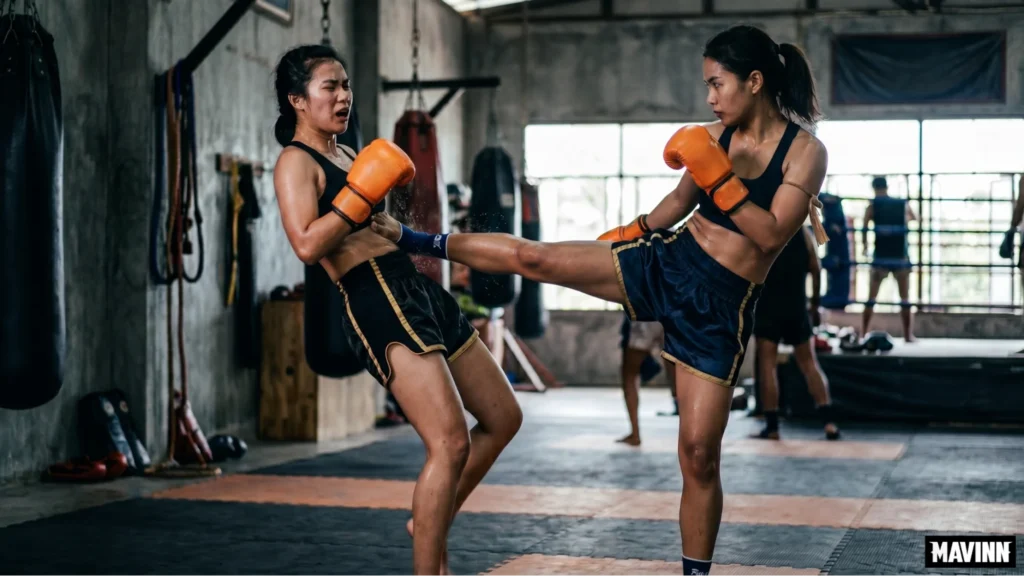
The lead, rear, and side variations are the three core styles you need to master to control the distance in any engagement. Your lead push kick functions as a long-range defensive jab, designed to disrupt an opponent’s timing and reset their rhythm. You should prioritize speed and hip snap over raw power to ensure your foot returns to the ground before a counter-strike lands within your striking range.
- Lead Leg: Uses your front leg for rapid-fire distance management and balance checks.
- Rear Leg: Utilizes your back leg to generate massive force, capable of physically stopping a charging opponent.
- Side Variation: Involves turning your standing foot to create a structural wedge that is nearly impossible to collapse.
Precision is more important than strength, so you must aim for targets like the solar plexus, bladder, or the top of the hip. We suggest practicing these transitions on a heavy bag to refine your weight distribution and recovery speed. Most high-level practitioners perform 30 to 50 repetitions per leg daily to build the muscle memory required for live sparring.
How to Execute a Perfect Teep with Balance
A perfect Muay Thai teep requires driving your hips forward while maintaining a solid vertical axis through your standing leg. You must chamber your lead knee toward your chest before snapping the leg out like a piston to maximize force. Striking with the ball of the foot ensures you penetrate the opponent’s guard rather than just pushing them away.
Balance depends on your stabilizing arm and the positioning of your support foot. Swing your same-side arm down and back to counterbalance the forward momentum while keeping your opposite hand high for protection. Professionals often keep the standing knee slightly bent to absorb impact, maintaining a 45-degree angle with the support foot for maximum stability.
Proper Foot Placement and Engaging Your Hips
A powerful strike requires you to hit with the ball of your foot while keeping your standing foot anchored at a 45-degree angle. This specific foot positioning creates a stable base that prevents you from being knocked off-balance when your strike hits a moving target. Maintaining this solid foundation allows you to retract the leg instantly into a defensive stance.
You generate stopping power by thrusting your hips forward in a “spearing” motion instead of just lifting your knee. Lean your torso slightly back to create a counterbalance and drive your pelvis directly toward the opponent’s midsection or hip line.
Common Mistakes That Make Your Teep Less Effective
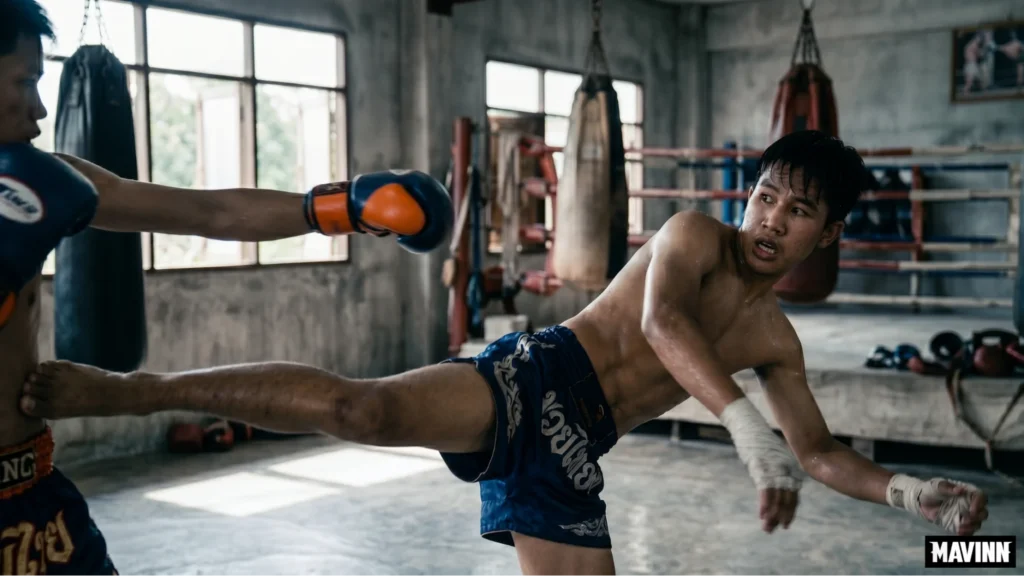
You lose power and balance by dropping your lead hand while executing the strike, which leaves your chin exposed to immediate counter-punches. Failing to chamber your knee high before extension turns the teep kick into a predictable “slapping” motion rather than a penetrating thrust. This technical error allows opponents to easily parry your leg and move into your pocket.
Avoid these common mechanical flaws that reduce your impact:
- Striking with a flat foot instead of the ball, which minimizes the pressure of the strike.
- Leaning the torso too far back, causing a loss of center-of-gravity and vulnerability to sweeps.
- Slow leg retraction, leaving the limb hanging where it can be caught for a counter-dump.
Keep your hips tucked forward and your lead hand high to maintain a strong structure throughout the movement. Focus on a “snap-back” retraction to return to your fighting stance in under 0.5 seconds. Proper form ensures the push kick functions as a solid defensive wall and a sharp offensive weapon.
How to Defend Against an Opponent’s Teep
Defend the push kick by redirecting its linear force or stepping offline to negate your opponent’s reach. You should use your lead hand to parry the foot across your body, instantly breaking their balance and exposing their back. This movement creates a brief window where the opponent is vulnerable to a heavy roundhouse counter or a clinch entry.
If you have the timing, catch the foot under your arm and lift their heel to compromise their base. Once the leg is secured, you can drive forward with a cross or execute a trip on the standing leg to score a knockdown. Always keep your chin tucked and your guard high to prevent being baited into a high kick.
- Side-stepping to force the kick to miss long.
- Scooping the heel downward to redirect the strike.
- Bracing the core and leaning in to minimize displacement.
Best Ways to Practice Your Teep
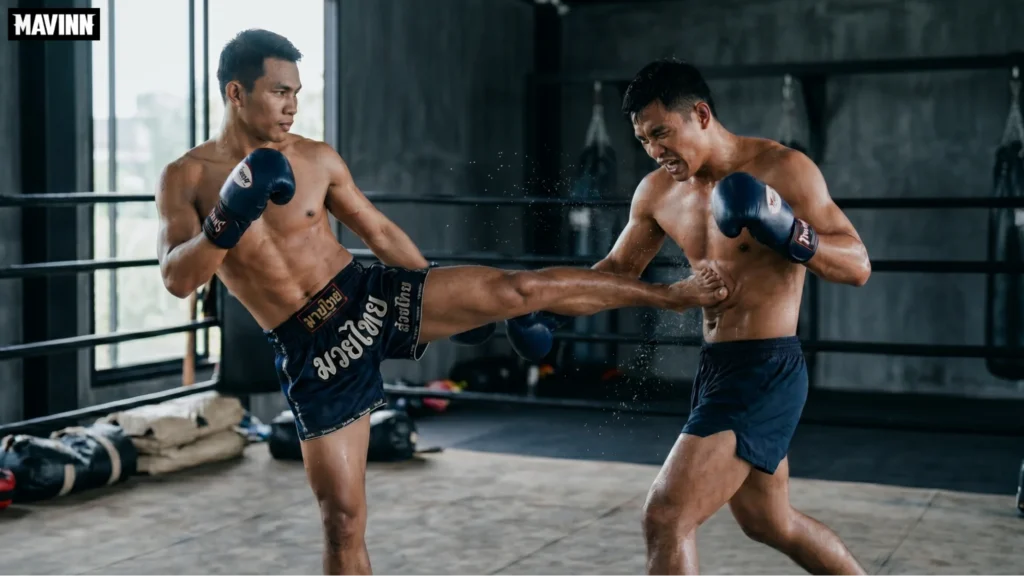
You build a world-class Muay Thai teep by drilling hip extension on heavy bags to develop the necessary “stop-hit” power. This kick acts as a long-range jab, so you must prioritize a sharp, snapping motion over a slow, shoving movement. Keep your standing foot flat and your lead hip forward to maintain a rigid frame that stops any opponent’s momentum.
- Wall Chambering: Stand one leg-length from a wall and lift your knee high to ensure your kick travels in a straight line.
- Belly Pad Drills: Use a belly pad with a partner to practice hitting the solar plexus while they move toward you to simulate real momentum.
- Heavy Bag Pendulums: Time your strike to hit the bag at the peak of its swing to practice stopping a charging fighter.
Conclusion
The teep kick functions as your most effective defensive shield and distance management tool in any combat exchange. You use it to disrupt an opponent’s rhythm and reset the pace of the fight before they can land a strike. Mastering this move ensures you dictate the range, making it difficult for aggressive fighters to close the gap.
Proper execution requires you to drive through the hips while maintaining a stable standing leg for perfect balance. We suggest consistently drilling the lead-leg variation specifically to improve your reaction time against oncoming pressure. A precise strike to the solar plexus or hip can neutralize a heavy hitter’s power in a single motion, ultimately securing your control over the engagement.