Key Takeaways
- Muay Thai Boxing – Known as the “Art of Eight Limbs,” this discipline uses fists, elbows, knees, and shins to deliver a high-intensity workout that builds functional power and agility.
- Professional training sessions can burn up to 1,000 calories per hour, making it one of the most effective methods for rapid fat loss and cardiovascular conditioning.
- Mastering technical elements like the clinch and low kicks requires consistent practice and high-performance gear designed to withstand heavy impact.
- This sport develops a sharp mental resilience and discipline that translates directly from the ring to a modern, active street lifestyle.
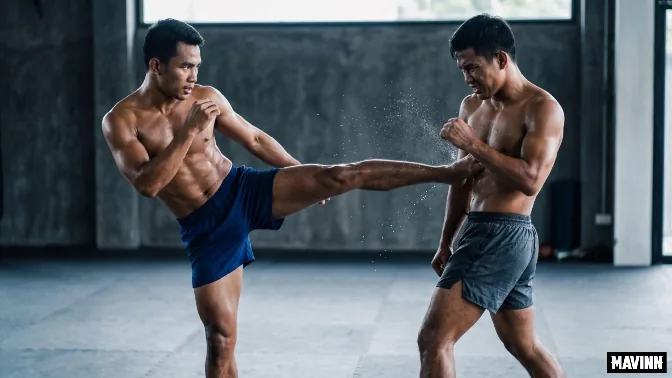
Muay Thai boxing is a full-contact combat sport that employs fists, elbows, knees, and shins to create a versatile and devastating striking system. Unlike Western boxing, which relies on punches alone, this holistic system turns the entire body into a weapon. Known globally as the “Art of Eight Limbs,” it serves as both a traditional martial art and a foundational pillar of modern mixed martial arts (MMA).
Training sessions are notoriously grueling, often helping athletes burn between 600 and 1,000 calories in a single hour. This physical demand requires specialized apparel that handles extreme moisture and allows for the maximum range of motion needed for high head kicks. For many, understanding what muay thai means is adopting a lifestyle choice that demands durable 16oz gloves, reinforced discipline, and a mindset built for endurance.
Muay Thai boxing What Is It ?
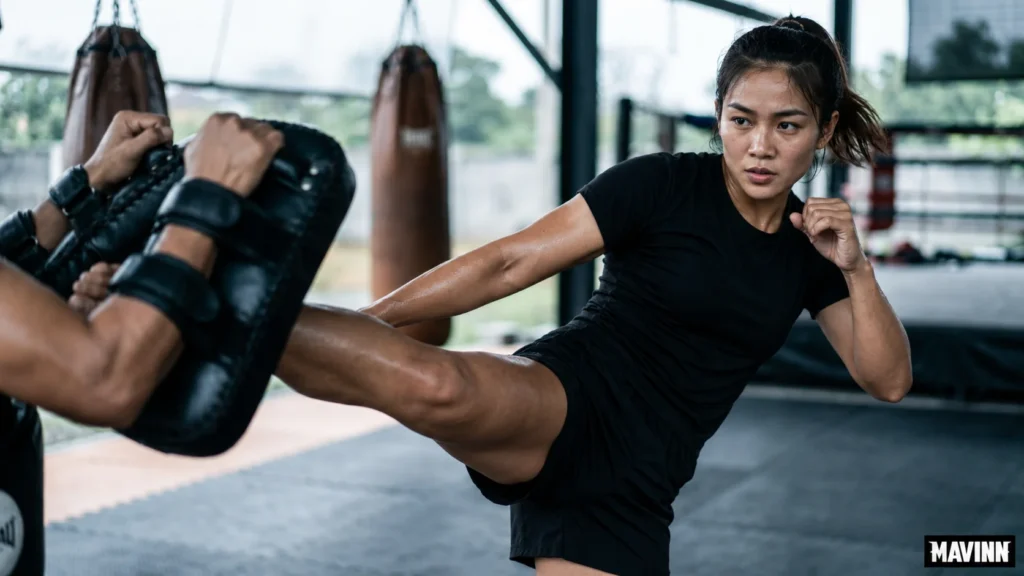
Muay Thai boxing is a combat sport from Thailand that utilizes eight points of contact-fists, elbows, knees, and shins-to strike an opponent. To truly grasp the muay thai meaning, one must look at its heavy focus on clinching and powerful leg kicks, which distinguishes it from other martial arts. This discipline prepares you for any muay fight, demanding high-performance equipment to withstand constant, full-contact impact.
Historically, this discipline developed over centuries from battlefield combat used by the Siamese army, with roots in the Sukhothai and Ayutthaya eras. If you want to know what is muay thai about, you will find that mastering the rhythm of the “Wai Kru” and basic strikes is the foundation for any practitioner entering a professional camp. Modern competition now takes place in a ring across five 3-minute rounds, with points awarded for technical execution and effective striking.
Success in the ring requires durable gear that supports the high-velocity movements of a teep kick or a horizontal elbow. Every session serves as a functional workout that can burn 600 to 1,000 calories per hour. Today, international fans often refer to it as deporte muay thai or deporte mai thai in Spanish-speaking regions, reflecting its massive global reach.
What is Muay Thai About ? The Spirit and Traditions
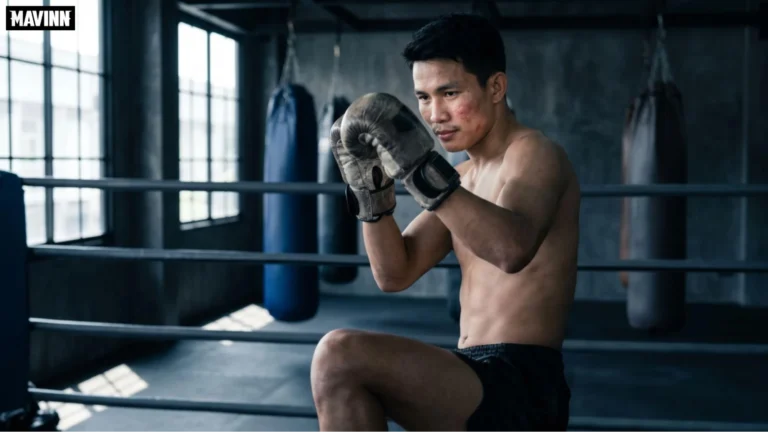
Muay Thai boxing is a discipline rooted in the “Art of Eight Limbs” that demands both physical mastery and deep respect. This muay combat demands mental resilience; you must approach the ring with a balance of aggressive power and deep-seated respect for your lineage and instructors. This spirit is best demonstrated through the Wai Khru Ram Muay, a ritual dance performed before every professional bout to honor a fighter’s coach.
Tradition is woven into every aspect of the sport, from the sacred Mongkhon headband to the rhythmic Sarama music that dictates the fight’s pace. Often, enthusiastic beginners will type muay thai muay thai muay thai into search engines just to find these iconic rhythmic tracks. The modern muay fight culture blends this ancient grit with a street-ready mindset, requiring you to endure five rounds of intense physical impact while carrying this heritage through a strict code of humility outside the gym.
Origins and Evolution: From Tomoi Thai to Global Deporte Muay Thai
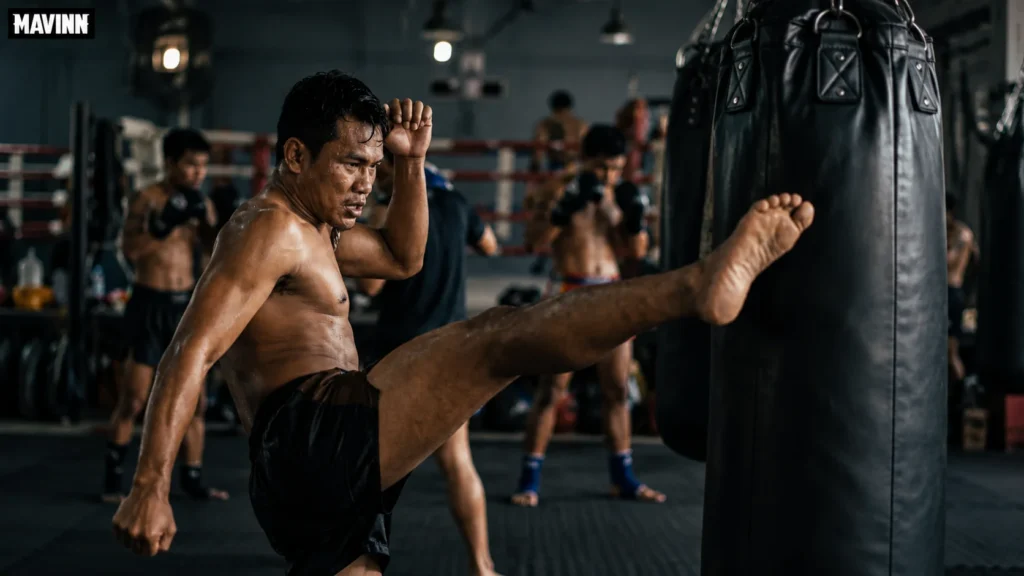
Muay Thai boxing originated as a lethal battlefield system for the Siamese military, evolving from ancient unarmed combat styles like Muay Boran. This transition turned a survival tool into a formalized sport during the early 20th century, when modern equipment replaced hemp-wrapped hands. This fascinating history is often searched by international enthusiasts wanting to learn about the origins of muay tailandes. King Chulalongkorn (Rama V) was instrumental in standardizing these regional fighting styles into a national discipline with specific rules.
The regional evolution shares deep roots with tomoi thai, a traditional combat art practiced in Northern Malaysia and Southern Thailand. While Tomoi retained its raw, folk-style characteristics, Thai authorities integrated British boxing elements such as timed rounds and padded gloves in the 1920s and 1930s, under King Rama VII. These shifts transformed the “Art of Eight Limbs” from a local tradition into a high-octane sport seen in major global promotions.
Today, the discipline fuses heritage with a high-performance lifestyle, influencing both professional athletics and modern street culture. The growth of deporte muay thai peaked globally when the International Olympic Committee officially recognized the sport’s governing body, the IFMA, in 2021.
The Folklore of Nai Khanom Tom and Ancient Traditions
Nai Khanom Tom cemented his legacy as the “Father of Muay Thai” by reportedly defeating nine or ten Burmese fighters in a single exhibition to win his freedom. Captured after the fall of Ayutthaya in 1767, his mastery of muay combat was so dominant that the Burmese King Hsinbyushin granted him his freedom as a reward, according to popular legend. This legendary feat transformed the sport from a survival tactic into a core pillar of Thai national identity.
You can still witness this ancient heritage today through the Wai Kru Ram Muay ritual performed before every professional bout. Fighters wear the Mongkhon headband and Pra Jiad armbands, traditional talismans once believed to provide spiritual protection on the battlefield. The true muay thai meaning shines through these customs, ensuring that every strike thrown in the ring carries the weight of a centuries-old martial lineage. To fully explore the history of muay tailandes, understanding these ancient rituals is absolutely essential.
Why is Muay Thai Boxing Known as the Art of Eight Limbs ?
Muay Thai boxing earns its legendary title by utilizing eight points of contact-fists, elbows, knees, and shins-for both offense and defense. When asking what muay thai means, it signifies a system that transforms your entire body into a versatile weapon, far exceeding the two-point contact of Western boxing or the four-point contact found in most kickboxing styles. You treat your shins and forearms as shields, while your elbows and knees function as lethal, short-range piercing tools.
Each pair of limbs serves a distinct tactical role, allowing you to dominate at every range from long-distance kicks to tight clinch work. Fists provide the setup for heavy damage, but the integration of eight striking surfaces creates a relentless pressure that forces opponents to defend multiple levels simultaneously. A standard power roundhouse kick can generate enough force to break ribs if the shin is conditioned correctly through years of heavy bag work.
This philosophy stems from ancient battlefield tactics where warriors used their bodies as a final line of defense when disarmed. Enthusiasts obsessed with physical conditioning might search muay thai muay thai muay thai online to find the perfect shin-hardening drills. Modern training emphasizes this “eight-limb” efficiency through grueling repetitive drills that harden the bone density of the shins and elbows. Those interested in deporte mai thai often marvel at how professional fighters can land a rapid flurry of knee and elbow strikes in a single high-intensity clinch exchange.
Breaking Down the Weapons in Muay Combat
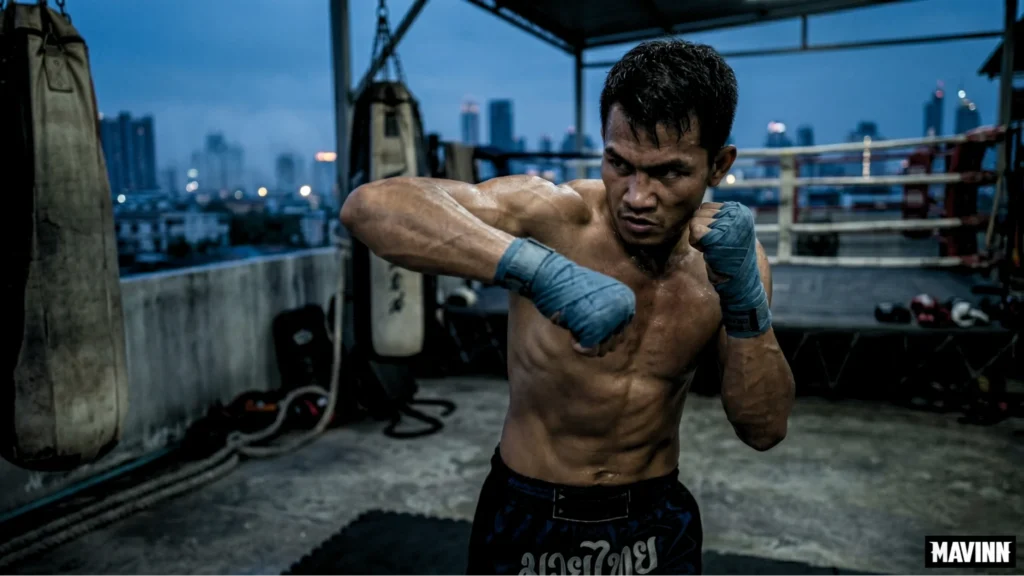
This discipline earns its reputation by utilizing the fists, elbows, knees, and shins as distinct offensive tools. We view these weapons as a tiered system where long-range kicks transition into crushing knee strikes and surgical elbow slashes within the clinch. It answers the question muay thai what is it perfectly when you see professional fighters generate extreme force by rotating their entire core, turning a standard roundhouse kick into a strike capable of breaking ribs.
- Fists: Used for rapid combinations and setups, such as the lead jab or the high-impact “Superman punch.”
- Elbows: Lethal at short range, these “blades” are used to slice skin or score knockouts with horizontal or spinning motions.
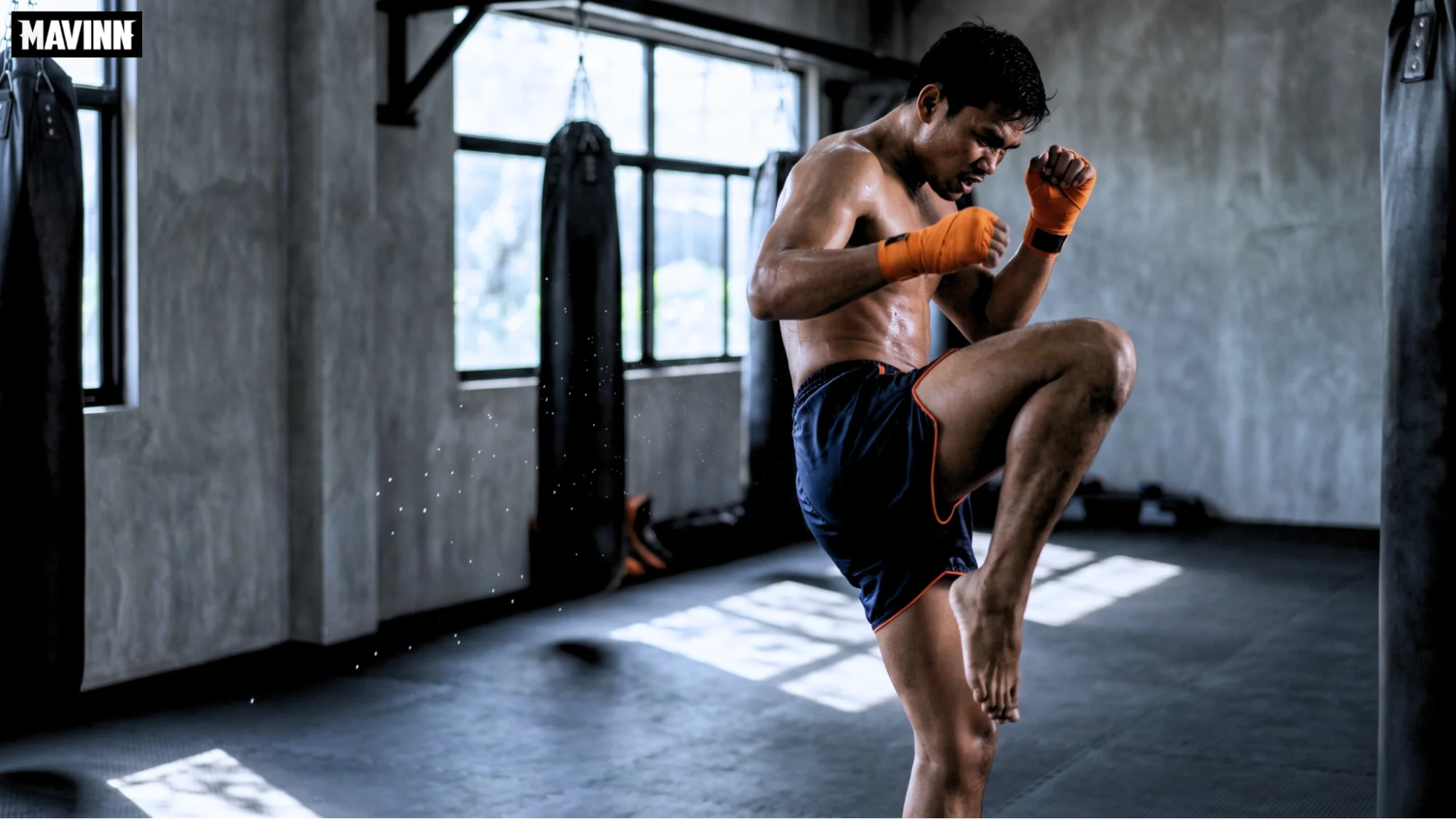
- Knees: Vital for close-quarters combat, specifically targeting the solar plexus to sap an opponent’s endurance.
- Kicks: The most powerful long-range weapon, delivered with the hard lower third of the shin rather than the foot.
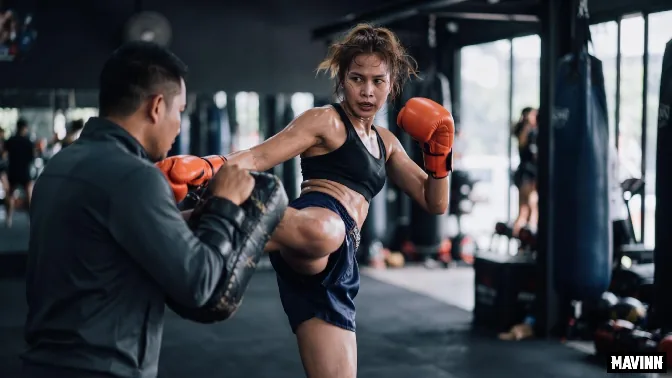
Each weapon requires specific conditioning to be effective in a live environment. Proper training focuses on repetitive bag work and heavy pad rounds to calcify the bone fibers in the shins and forearms. This conditioning allows a fighter to survive a tough muay to exchange and check a kick without sustaining structural bone damage.
Differences Between a Muay Fight and Regular Boxing
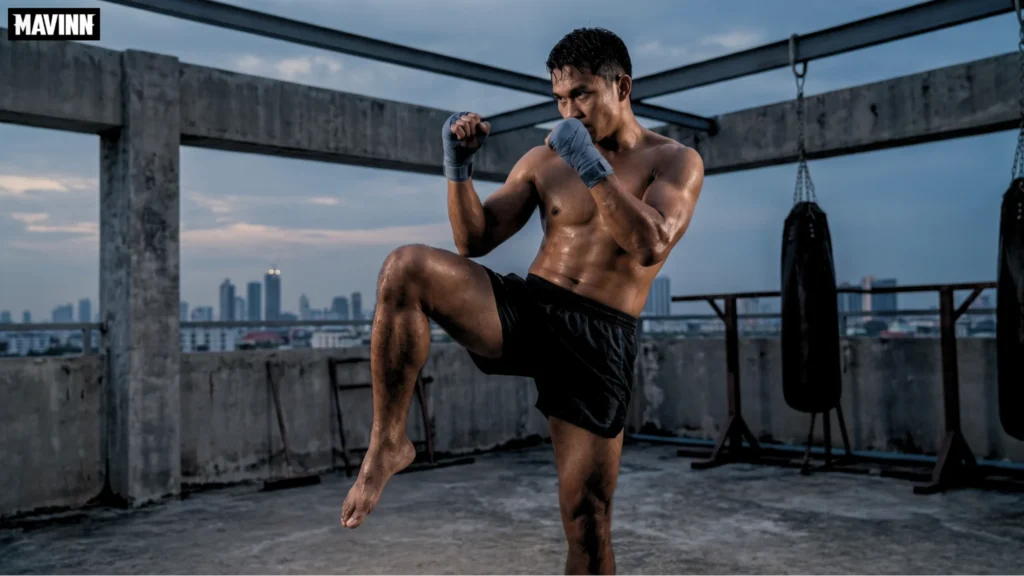
Muay Thai boxing allows you to strike with fists, elbows, knees, and shins, whereas regular boxing restricts you to your hands. This shift fundamentally changes your defensive stance and how you manage distance during a live match. In a Muay Thai ring, you must constantly account for low kicks and clinch knees that do not exist in Western boxing.
| Feature | Regular Boxing | Muay Thai Boxing |
|---|---|---|
| Striking Weapons | Fists only | Fists, elbows, knees, shins |
| Clinching | Referees break it quickly | Used for knees and sweeps |
| Stance | Side-on and mobile | Squared and upright |
| Typical Rounds | 4 to 12 rounds | 5 rounds |
The clinch serves as a reset point in boxing, but here, it is an offensive zone used to land knees or execute trips. You will notice fighters maintain a squared, upright stance to check incoming kicks effectively. Boxing footwork relies on lateral movement and a side-on profile to maximize punching reach and minimize the target area.
Is Muay Thai Boxing Hard for Beginners to Start ?
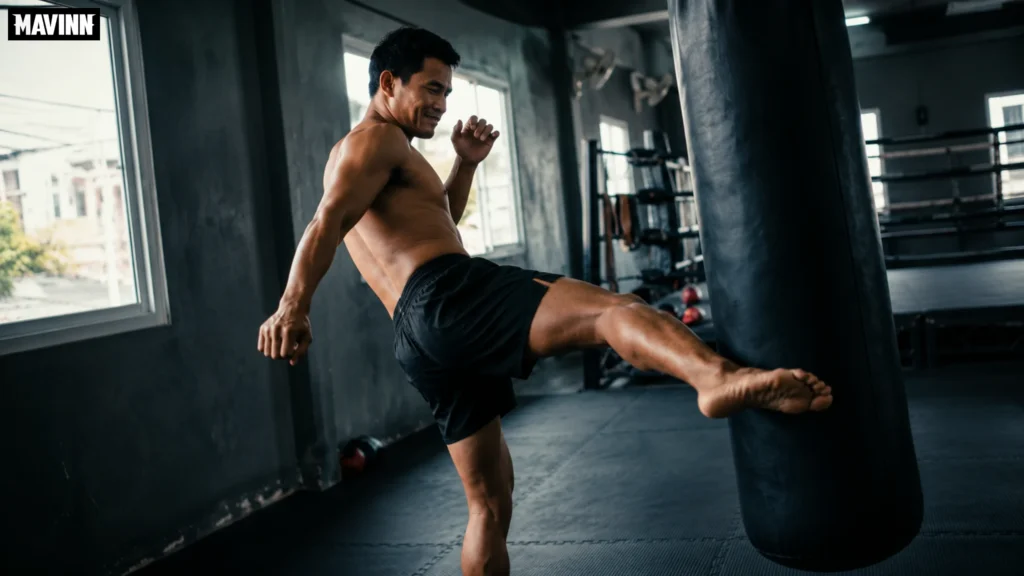
Muay thai boxing is physically demanding but highly accessible for beginners because the fundamental movements are built on natural body mechanics. You do not need to be in peak athletic condition to start, as most reputable gyms scale the intensity to match your current fitness level. A typical 60-minute introductory class focuses on stance and balance rather than complex combinations or heavy contact.
The primary challenge for newcomers is often the “shin conditioning” and the coordination required to rotate your hips during a roundhouse kick. Most beginners initially struggle with calf tightness or minor bruising, which is a normal part of the body adapting to impact-based training. Consistency is key, and most students report a noticeable increase in their stamina after just four to six weeks of regular practice.
Learning to utilize your “eight limbs” effectively requires more mental focus than raw strength during the early stages of training. People asking what is muay thai about will find that they spend the majority of their time hitting heavy bags and Thai pads to sharpen timing and distance management. Mastering the foundational jab-cross-low kick sequence provides the essential technical base needed to progress toward more advanced clinch work and defensive maneuvers.
Physical Discipline and Mental Health Benefits
Training builds extreme physical resilience by forcing you to push past perceived limits during high-intensity interval rounds. You develop explosive power and cardiovascular endurance through repetitive striking drills that demand total body coordination. This training creates a lean, functional physique while burning between 600 and 1,000 calories per hour-long session.
The mental toughness you gain in the ring helps manage daily stress by teaching you how to stay calm under pressure. The regional history of tomoi thai also emphasized this balance of mind and body. Focusing on complex combinations and defensive timing acts as a form of moving meditation that clears your mind of external distractions. This discipline fosters a growth mindset where regular practitioners often report lower stress levels and improved mood with consistent training.
Conclusion
Muay Thai boxing remains the ultimate discipline for building explosive physical power and unwavering mental resilience. This sport demands extreme cardiovascular endurance while refining technical striking skills through repetitive bag work and live sparring sessions. Mastering the “Art of Eight Limbs” effectively transforms your body into a functional machine capable of burning 600 to 1,000 calories in a single one-hour session.
Success in this journey depends heavily on consistency and prioritizing safety through proper preparation. Investing in professional-grade equipment, such as durable 16oz sparring gloves or reinforced shin guards, ensures you stay protected while developing your techniques. By trusting the process and dedicating yourself to the fundamentals, you can build elite-level striking speed and safely enjoy the profound physical and mental benefits of this incredible martial art.