Key Takeaways
- muay boran – This ancient martial art serves as the battlefield predecessor to modern Muay Thai, emphasizing devastating strikes, joint locks, and high-impact defensive maneuvers.
- Learning these traditional techniques builds a deeper understanding of fight mechanics, helping modern combat sports athletes improve their positioning and power.
- Structured training programs accommodate all skill levels, offering flexible options through online learning platforms or intensive physical training packages in Thailand.
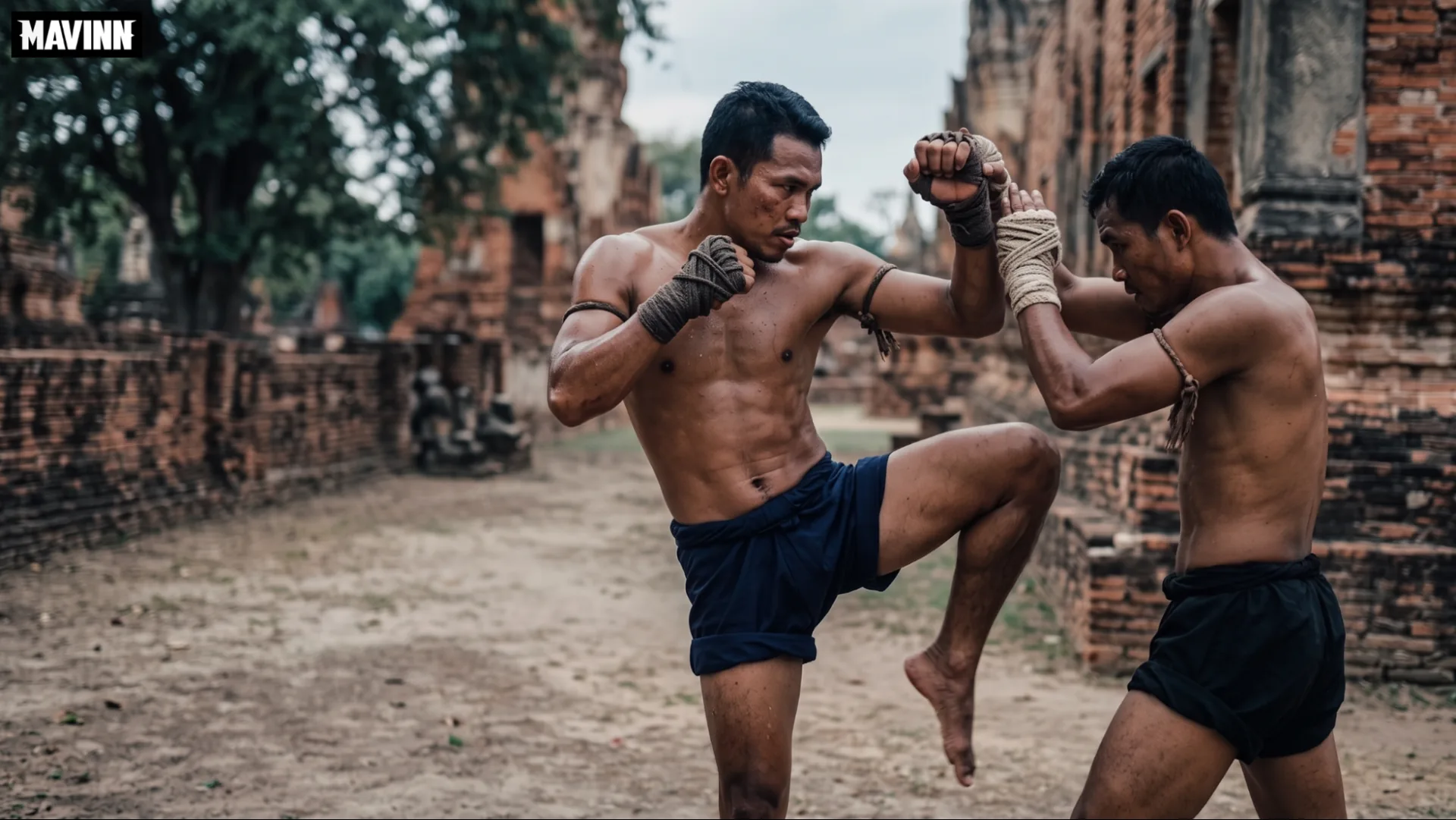
You can trace the roots of Thailand’s famous ring sport back to muay boran, the ancient martial art developed for battlefield survival. Soldiers used this close-combat system when they lost their weapons, turning every limb into a deadly tool. Historians trace these techniques back to the Sukhothai Kingdom in the 13th century, which makes the system roughly 800 years old.
What is Muay Boran ? The Origins of the Ancient Art
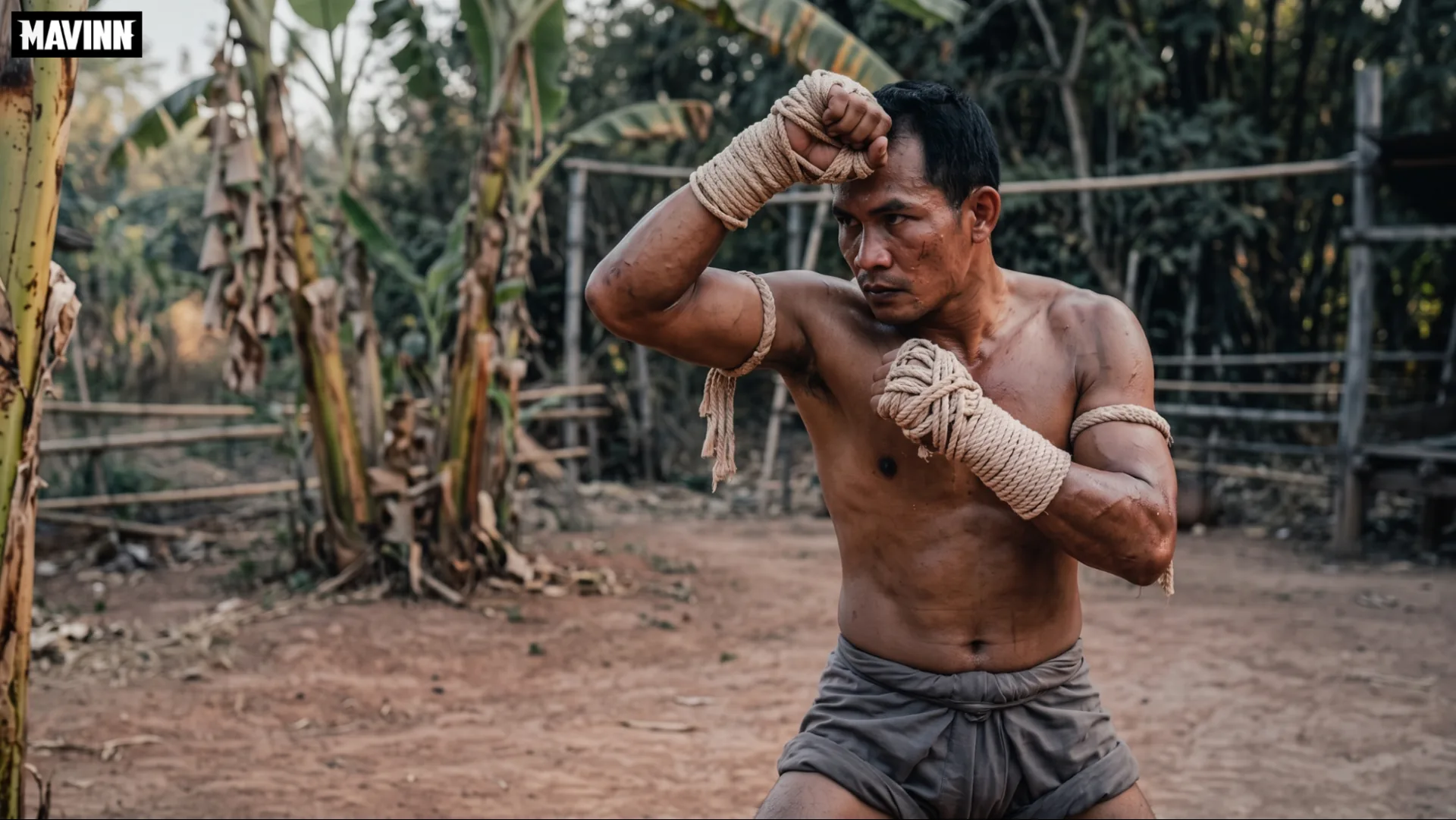
Muay Boran is the ancestral umbrella term for the ancient, unarmed martial arts of Thailand used on battlefields before the introduction of modern rules and gloves. Soldiers relied on these lethal combat systems to defend kingdoms for centuries when weaponless. The system traces back roughly 800 years and remains the root that modern Muay Thai striking grew out of.
The Battlefield Origins and the Science of Nine Limbs
Muay Boran developed on ancient Southeast Asian battlefields as a survival system for soldiers who lost their swords or spears. Warriors used every part of their body to execute lethal strikes against armored opponents during close-quarters combat. Historic records date these combat systems to the Sukhothai kingdom, which ran from 1238 to 1438.
The system is known as the science of nine limbs because it incorporates the head alongside the standard punches, kicks, knees, and elbows that define the modern art of eight limbs. This ninth weapon allows fighters to use headbutts to break an opponent’s guard or escape tight clinches. You learn to coordinate these nine contact points to defend against multiple attackers from all angles.
How Muay Boran Differs from Modern Muay Thai
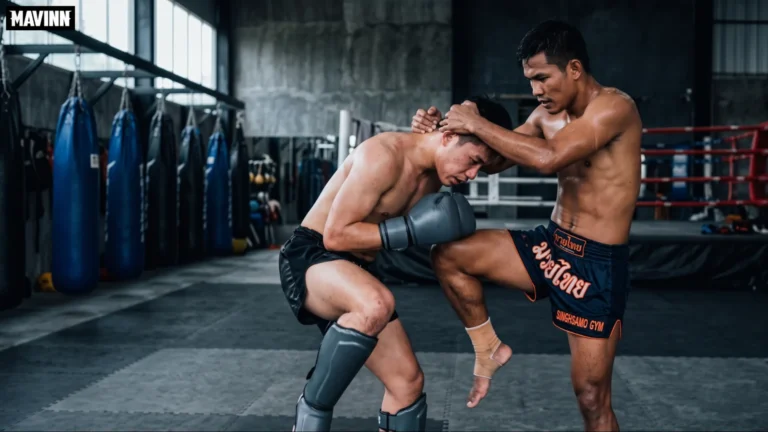
Muay Boran differs from modern Muay Thai primarily in its purpose, transitioning from an ancient battlefield survival system to a regulated combat sport. While modern fighters train for points and knockouts under strict referee supervision, historic warriors fought for survival. The original art incorporates a wider range of strikes, including headbutts and joint breaks, which are completely banned in today’s sporting arenas.
| Feature | Muay Boran | Modern Muay Thai |
|---|---|---|
| Primary Goal | Battlefield survival | Ring victory and points |
| Stance | Low, wide stance for stability | High, mobile stance for speed |
| Equipment | Hemp rope hand wraps (kard chuek) | Padded boxing gloves |
| Target Areas | All joints, groin, and spine | Legal target zones above the belt |
You will notice the structural shift most clearly in the defensive stance, as the ancient style uses a lower center of gravity to protect against terrain slips. Modern practitioners stand taller to maximize kick speed and hip rotation on canvas mats. These tactical differences mean the ancient art focuses on ending fights instantly rather than pacing through five three-minute rounds.
Read next: Lethwei Burmese Bareknuckle Boxing Defined
From Battlefield Survival to Ring Rules
Muay Boran was developed for lethal battlefield survival without rules, while modern Muay Thai is a regulated ring sport focused on athlete safety. Soldiers in ancient Siam fought to defend their kingdom when lost weapons forced hand-to-hand combat. Ancient warriors targeted vital areas like the throat and groin, which are completely banned in modern sports.
| Feature | Muay Boran | Modern Muay Thai |
|---|---|---|
| Primary Goal | Battlefield survival | Athletic competition |
| Safety Rules | No rules or weight classes | Strict weight classes and referee |
| Legal Strikes | Headbutts and ground strikes | Punches, kicks, knees, elbows |
Modern rules introduced in the 1920s standardized the sport by adding padded boxing gloves, weight classes, and timed rounds. These regulations transformed a deadly military system into a global spectator sport. This transition eliminated lethal techniques to protect the fighters during weekly stadium events in Bangkok.
The Lost Techniques Mae Mai, Look Mai, and Outlawed Strikes
Muay Boran relies on a lethal library of hidden combat techniques categorized into major, minor, and banned battlefield strikes. You will train both defense and offense simultaneously through these structured movements. For instance, the Mae Mai represents the 15 master patterns crucial for basic defense. The system divides these ancient combat skills into distinct categories.
- Mae Mai: The 15 master techniques forming the foundation of the art, such as *Salab Fan Pla* (evading and countering).
- Look Mai: The 15 complimentary or advanced tricks used to deceive opponents.
- Outlawed Strikes: Lethal battlefield attacks like throat strikes, groin kicks, and joint breaks that are banned in modern rings.
Traditional Gear vs. Modern Equipment The Hemp Rope (Kard Chuek)
Traditional muay boran practitioners wrapped their hands in raw hemp ropes called Kard Chuek instead of using the padded gloves found in modern Muay Thai. These coarse ropes bound the hands and wrists to reinforce bone alignment and turn the fists into solid, abrasive weapons. Historically, fighters sometimes soaked the knotted ropes in water to make the hemp fibers tighten and harden before a match.
| Feature | Muay Boran (Kard Chuek) | Modern Muay Thai |
|---|---|---|
| Hand Protection | Unpadded hemp ropes | Padded leather gloves |
| Impact Effect | Cuts skin and concentrates force | Absorbs shock and distributes impact |
| Wrist Support | Rigid binding with knotted cord | Flexible velcro or lace-up cuffs |
You will experience a completely different grip and punching dynamic when transitioning from modern gloves to traditional ropes. The lack of padding forces you to align your knuckles perfectly upon impact to prevent fracturing your own wrist. For safety during modern training, we recommend using cotton handwraps wound in the traditional knotted pattern to practice these ancient hand-binding techniques without the risk of severe skin abrasions.
The 4 Regional Styles of Muay Boran in Thailand
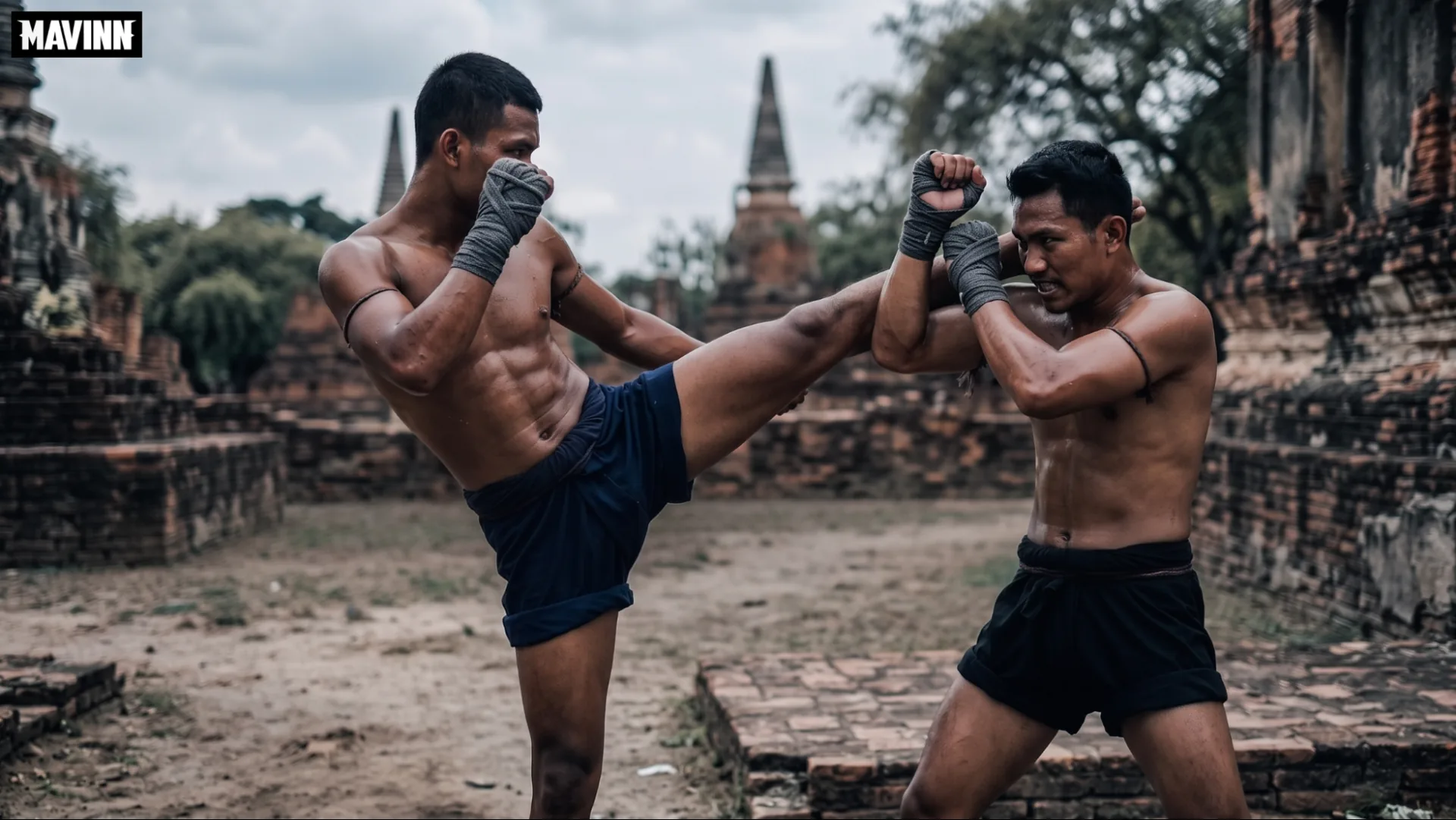
Muay Boran divided its combat strategies into four distinct regional styles based on geography and local warfare needs in ancient Siam. Each region developed unique stances and tactics, ranging from the low, defensive postures of the south to the fast, upright kicking systems of the north. These regional systems are categorized as Muay Korat, Muay Lopburi, Muay Chaiya, and Muay Thasao.
Muay Korat (Heavy Stance) & Muay Lopburi (Precise Strikes)
Muay Korat and Muay Lopburi represent two distinct regional styles of ancient muay boran, each developed for specific battlefield conditions in Thailand. Muay Korat focuses on powerful, heavy strikes thrown from a stable stance, while Muay Lopburi prioritizes speed, precision, and clever counter-attacks. Fighters in Korat traditionally wrapped their arms all the way up to the elbows with hemp rope to maximize defense against heavy weapons.
| Style | Stance & Footwork | Primary Strike Style |
|---|---|---|
| Muay Korat | Wide, low, and heavy | Powerful wide swinging punches |
| Muay Lopburi | High, agile, and shifting | Precise upward punches and sensory attacks |
You can study these regional variations to understand how ancient warriors adapted their combat techniques to different terrains. For example, Lopburi fighters often targeted the eyes and throat using rapid-fire double punches to disable opponents quickly. Practicing these styles today helps you master both raw power and tactical precision in your striking game.
Muay Chaiya (Low Defense) & Muay Thasao (Lightning Kicks)
Muay Chaiya focuses on low, defensive postures and counter-attacks, while Muay Thasao prioritizes speed and agile, lightning-fast kicks. This southern muay boran style utilizes a low center of gravity, using tight, close guards to shield the vital organs. You protect yourself with tucked elbows and bent knees to break the opponent’s attacking limbs using your shins.
In contrast, the northern style of Muay Thasao relies on speed, flexibility, and high-reaching kicks to keep opponents at a distance. Practitioners train to execute rapid kicks from unexpected angles, which is why the northern style built its reputation on speed rather than weight. This method values high agility, allowing you to strike and retreat within seconds.
Industry Standards and Certification in Muay Boran
You can secure official certification in Muay Boran through recognized governing bodies that standardize the ranking and teaching curriculum of this ancient art. These organizations preserve the traditional grading system, known as the Khan system, to ensure instructors meet strict technical and cultural benchmarks. The International Federation of Muaythai Associations (IFMA) is the body that standardises this grading internationally, and it holds full International Olympic Committee recognition granted in 2021.
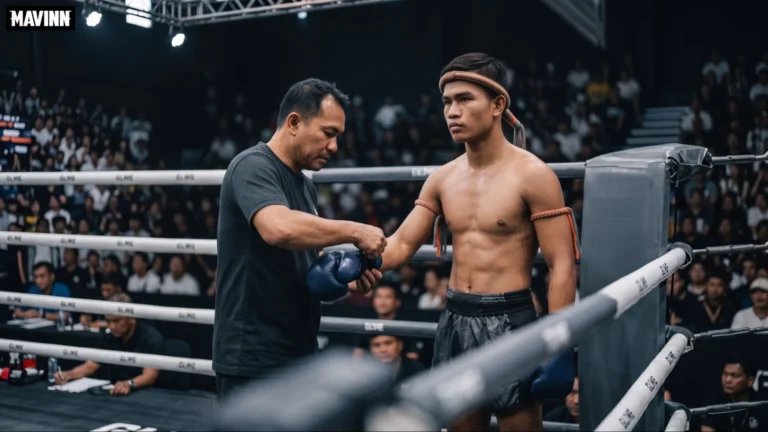
Aspiring teachers work up through 15 Khan levels before they can hold the title of Kru. This training covers traditional combat sequences, ritual dances like the Wai Kru, and historical battlefield strategies. Candidates must pass rigorous practical examinations, demonstrating mastery of the Mae Mai and Look Mai techniques to earn their certified Mongkhon headbands.
IFMA Grading and Training Regulations
IFMA runs the international grading standard that most certified instructors work within. Its Khan system has 15 levels, and levels 9 to 15 cover instructor, coach, and master grades that carry globally recognised certification.
The grading requires practitioners to show technical proficiency alongside cultural knowledge and safety practice. Candidates are examined on striking and defensive technique, the Wai Kru ceremony, and the 15 Mae Mai forms that sit at the base of the whole system.
Where to Learn Authentic Muay Boran in Thailand ?
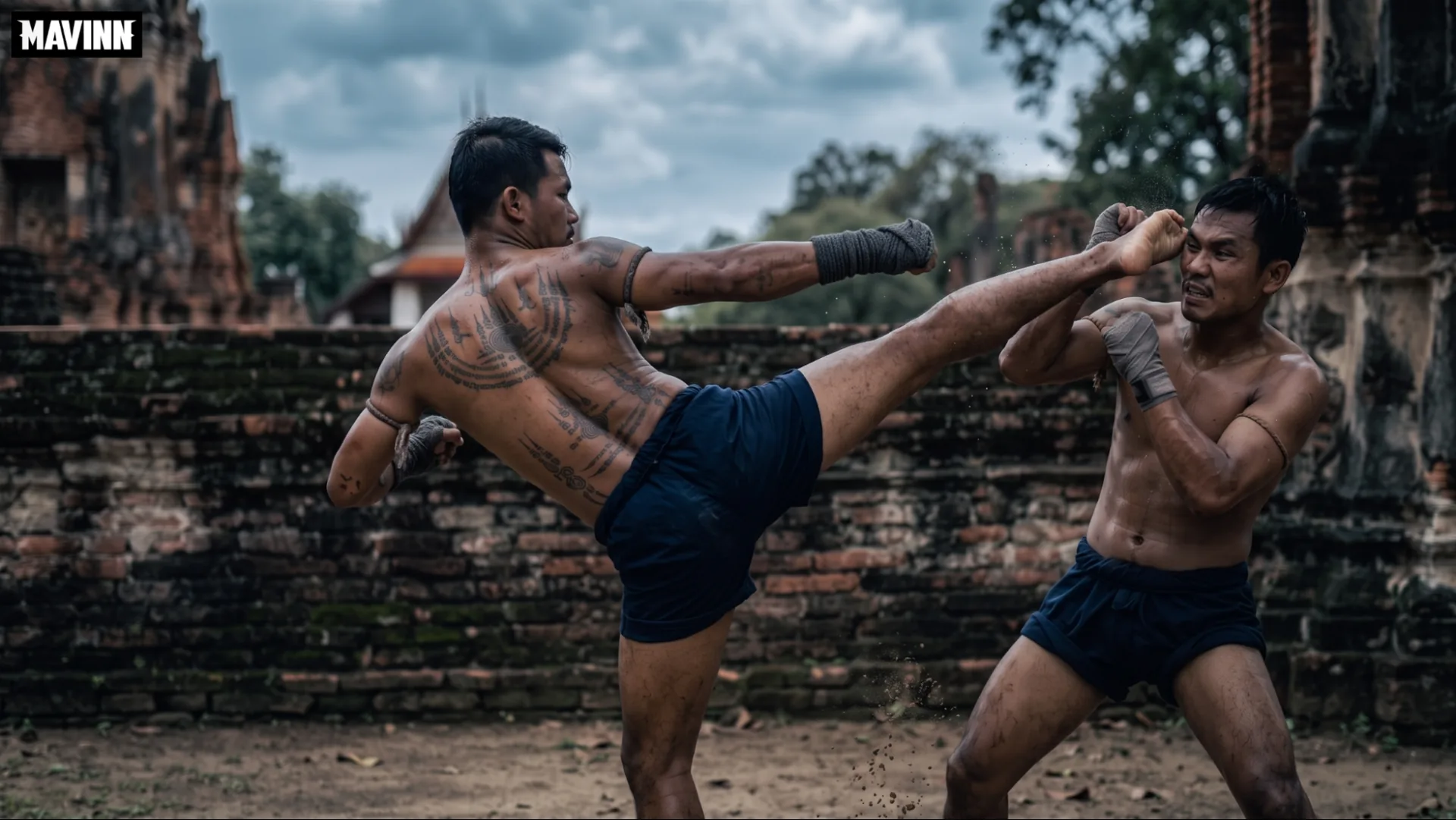
Dedicated Muay Boran instruction sits with a small number of specialist schools and lineage holders across Thailand rather than with mainstream Muay Thai gyms. Most camps, including ours, teach modern Muay Thai, which carries the striking core of the older system into a regulated sport format.
How Muay Boran Shows Up in Modern Muay Thai Training
You do not need a separate muay boran course to feel its influence. The stances, defensive guards, and counter-striking patterns that modern Muay Thai drills every day came out of that older system, minus the strikes the ring bans.
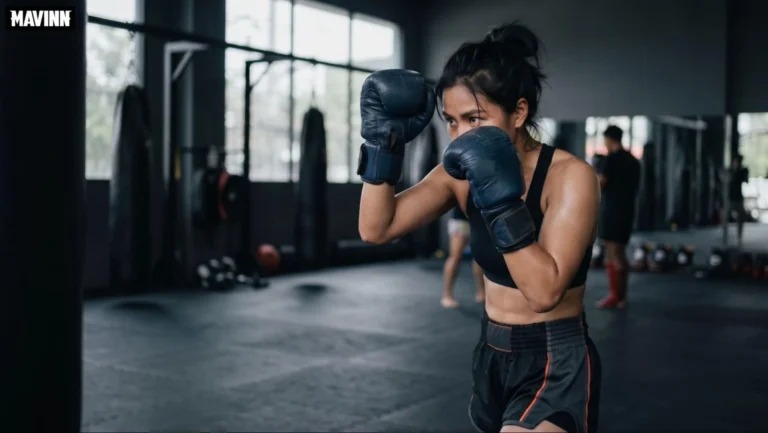
If you want to train the striking side of this heritage, we run Muay Thai in these formats:
- Stay and Train packages built around daily intensive gym sessions.
- In-person group classes at our Bangkok (Nuanchan) and Pattaya gyms.
- Online courses for remote learning.
Superbon Singha Mavinn, the reigning ONE Featherweight Kickboxing World Champion, trains at our Bangkok gym, and the modern striking mechanics on show there trace straight back to these older patterns.
Muay Thai Lessons and Packages for All Skill Levels
We shape our Muay Thai training around your fitness level and martial arts experience. Whether you are a complete beginner or an experienced fighter, our structured programs adapt to your personal pace. Instructors break each technique down into safe, manageable steps and correct your form during the session.
You can choose from flexible training options tailored to your schedule at our Bangkok and Pattaya locations.
- Drop-in group sessions for steady technical progression.
- Stay and Train packages combining daily training across a multi-day block.
- Online courses for remote learning from any global destination.
FAQs Muay Boran
Is Muay Boran effective in a real fight / self defense ?
Muay Boran is highly effective for self-defense because it was designed specifically for lethal battlefield survival without rules or gloves. Unlike modern ring sports, this ancient system targets vulnerable areas like the throat, groin, and joints to neutralize threats quickly. For how the modern sport holds up in the same situation, see whether Muay Thai works for self defense. For example, the *Hak Kor Erawan* technique teaches you to incapacitate an opponent using a downward elbow strike in close-range combat.
The training builds intense situational awareness by utilizing the nine weapons of the body, which includes the head as an active striking tool. We focus on teaching you how to use your surroundings and maintain balance against multiple attackers. Practitioners train to execute the Hanuman Thawai Waen double uppercut to strike two vital head targets simultaneously.
Can beginners learn Muay Boran without prior Muay Thai experience ?
You can start learning Muay Boran as a complete beginner without any prior background in modern Muay Thai. The training starts with foundational stances, breathing, and basic footwork rather than immediate sparring. Beginners focus heavily on the basic guards and defensive postures before advancing to complex counter-attacks.
This traditional art teaches joint alignment and weight distribution from the ground up, making it highly accessible. Modern academies offer structured programs that break down the nine limbs of combat step-by-step. You will typically spend your first three sessions mastering the basic guard, known as master postures or Mae Mai.
Are Muay Boran techniques allowed in modern Muay Thai matches ?
Most traditional Muay Boran techniques are strictly banned in modern Muay Thai matches to protect the safety of the fighters. Modern ring rules prohibit highly dangerous maneuvers like headbutts, joint locks, and strikes to a fallen opponent. For example, the devastating jump-down elbow strike targeting the crown of the skull is completely illegal under standard Lumpinee Stadium regulations.
Some basic strikes from ancient art still form the foundation of today’s competitive sport. You can still use standard punches, elbows, knees, and kicks that do not target vital joints or the spine. Fighters who train in these ancient forms often use the subtle weight-shifting footwork of the Muay Chaiya style to surprise opponents in modern bouts.
Conclusion
Tracing your training back to muay boran connects you directly to the battlefield origins of Thailand’s national sport. By mastering the science of nine limbs, you build functional strength, razor-sharp reflexes, and practical self-defense skills that modern ring sports often omit. Whether you want to improve your striking mechanics or understand a warrior tradition roughly 800 years old, this ancient discipline offers a complete physical and mental blueprint.
If you want to train the striking system that grew out of it, you can join our Muay Thai programs in person at our Bangkok or Pattaya gyms. We also offer comprehensive Stay & Train packages and flexible online courses designed to fit any experience level. Start with Mavinn Muaythai to learn the striking craft that descends from the warriors of ancient Siam.