Key Takeaways
- Rules of Muay Thai – Understanding the scoring system and legal strikes is essential for clean execution and strategic advantages in the ring.
- Traditional bouts consist of five three-minute rounds, requiring fighters to balance offense and defense using punches, kicks, knees, and elbows.
- Clinching and sweeping are highly scored techniques, but execution must follow strict safety guidelines to avoid fouls and point deductions.
- Proper gear, including hand wraps and gloves, is mandatory to meet standard regulations and protect fighters during intense combat.
Understanding the Rules of Muay Thai is essential for anyone wanting to appreciate or practice the “Art of Eight Limbs” safely and effectively. This combat sport utilizes punches, kicks, elbows, and knees to score points or secure a knockout. Modern regulations from the Boxing Board of Control under the Sports Authority of Thailand govern everything from the five three-minute rounds to the glove weight, which is set by weight class rather than fixed across the card.
We focus on helping you master these guidelines so you can watch fights with deep insight or step into the ring with confidence. Whether you train at our Bangkok gym in Nuanchan or our Pattaya gym, knowing these fundamentals prevents injuries and elevates your performance.
Basic Rules of Muay Thai Match Structure and Regulations
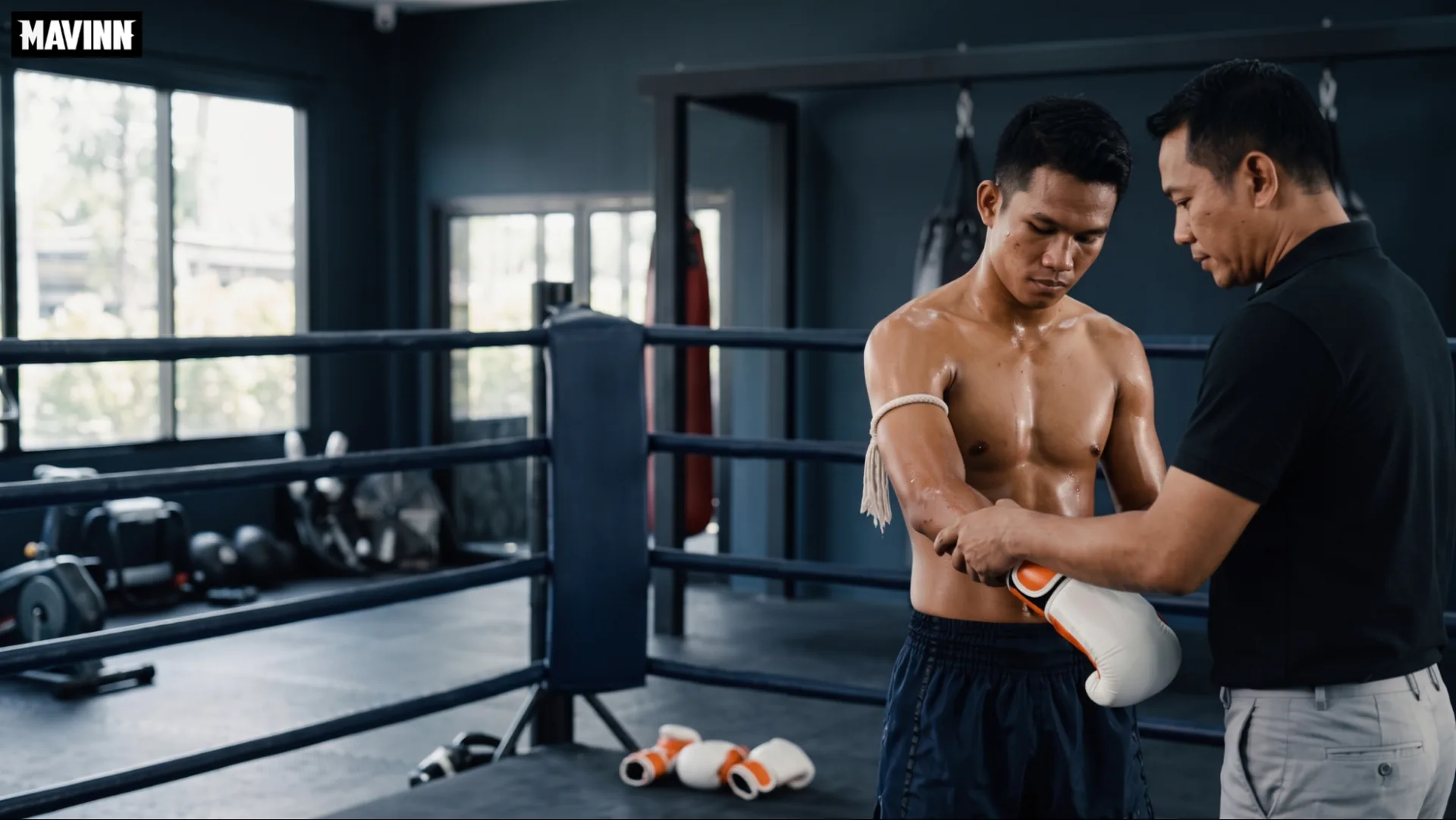
The rules of muay thai structure each match to test your endurance and striking precision under strict safety standards. Standard professional bouts consist of five three-minute rounds with two-minute rest periods to ensure adequate fighter recovery. You must compete within certified weight classes, such as the 135-pound lightweight division, to guarantee fair and regulated competition.
Fight Length, Rounds, and Breaks
A standard professional Muay Thai match consists of five rounds, with each round lasting exactly three minutes. Fighters receive a two-minute break between each round to recover, treat cuts, and receive instructions from their corners. This structural format ensures high-intensity action and limits the total active fighting time to 15 minutes.
Some modern promotions alter this traditional structure to accelerate the pace of the action. For example, non-title fights in major global organizations often feature three rounds of three minutes each. These fast-paced bouts utilize a shorter one-minute recovery break between rounds to keep the energy high for the audience.
Weight Classes and Boxing Board of Control Regulations
Muay Thai weight classes and safety standards are governed by the Boxing Board of Control under the Sports Authority of Thailand to ensure fair and safe competition. Professional fights run through a full ladder of weight divisions from the lightest classes up to heavyweight. You weigh in either the day before the match or on the morning of the fight depending on the promotion.
Fighters are matched within strict weight limits to prevent dangerous physical mismatches in the ring. The regulations also require medical clearance and a registered boxer’s book before any professional fighter can compete, and our guide to preparing for a Muay Thai match walks through what that involves. For example, a fighter in the Featherweight division must make the 126-pound limit to qualify for a bout.
Required Equipment and Traditional Attire
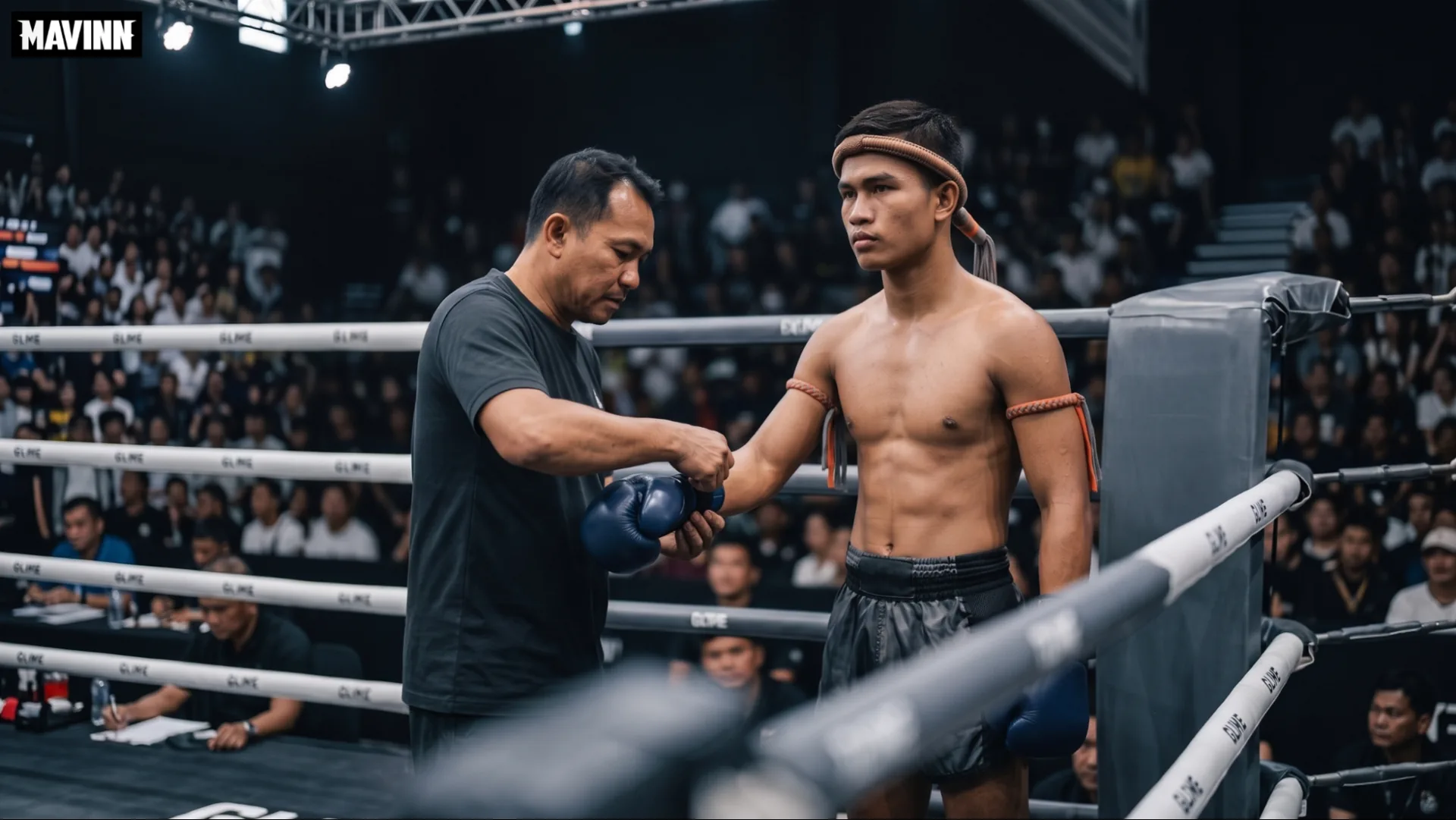
Muay Thai rules require fighters to wear specific protective gear and traditional attire before entering the ring to ensure safety and honor the sport’s cultural heritage. During a professional match, you must wear regulated boxing gloves, hand wraps, groin guards, and a mouthguard. Fighters compete barefoot and wear specialized Muay Thai shorts that allow for unrestricted kicking movement.
The traditional attire worn during the pre-fight ritual includes sacred items that carry deep spiritual significance:
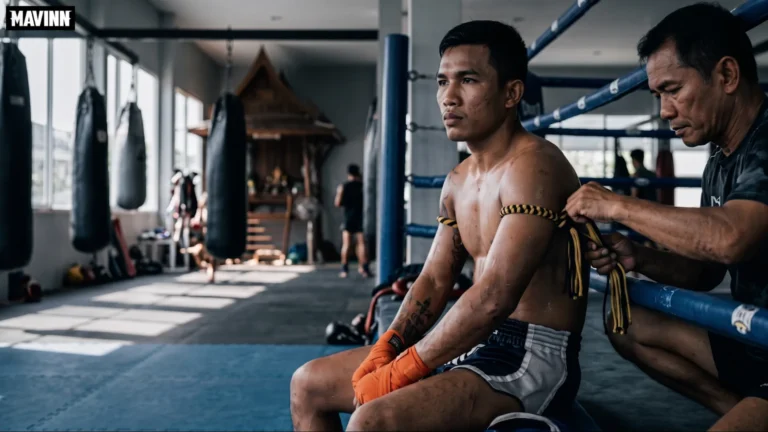
- Mongkhon: A sacred headband worn during the Wai Kru dance and removed before the fight begins.
- Prajiad: Protective armbands worn around one or both biceps throughout the entire match.
We train fighters to respect these traditions by wearing proper gear during every sparring session.
The Rules of Muay Thai Scoring How a Fighter Wins
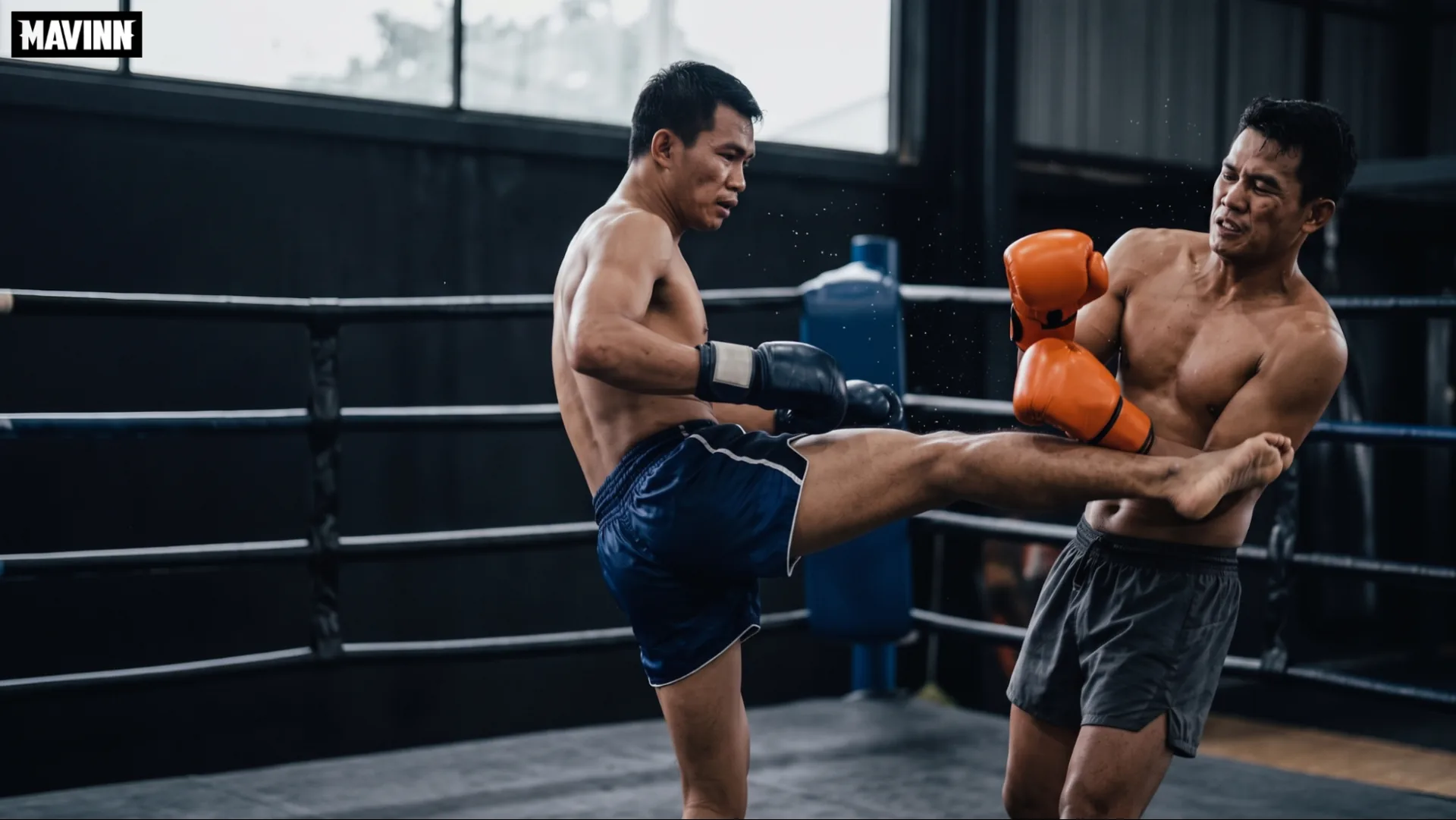
A Muay Thai fighter wins a match by knockout, technical knockout, or by scoring the most points across five rounds of action. Judges score each round out of 10 points, awarding the round winner 10 points and the opponent 9, 8, or 7 points based on dominance. For example, a clean body kick that visibly throws an opponent off balance scores higher than a rapid flurry of light punches.
Fighters score points by landing clean strikes using punches, kicks, knees, and elbows. Judges also heavily weigh dominance in the clinch, rewarding fighters who execute clean sweeps or control their opponent’s posture to land knee strikes. An immediate victory occurs if a competitor scores a knockout or forces a referee stoppage, ending the bout before the final bell.
Legal Strikes and The Art of Eight Limbs
Muay Thai rules permit strikers to use eight points of contact to attack their opponent: the fists, elbows, knees, and shins. This system sets the sport apart from traditional boxing by turning the entire body into a versatile weapon, which is why Muay Thai is known as the art of eight limbs. You can score clean points by landing these strikes on any legal target area, which includes the head, torso, and legs.
Punches and kicks serve as your primary long-range tools, while knees and elbows dominate close-range exchanges. Elbow strikes are particularly devastating because they can cause cuts that lead to technical knockouts. Fighters must land these strikes with speed, power, and clean impact to score effectively under standard stadium rules.
Clinching and Sweeping Rules
Muay Thai rules allow you to dominate opponents using active upper-body grappling, known as the clinch, and trips or sweeps. During a clinch, you must constantly work for dominant hand position to land legal knees or elbows. Referees will break the clinch if there is inactivity for more than three seconds, which is why active clinch work matters as much as the grip itself.
To execute these techniques legally under the rules of muay thai, you must follow specific execution guidelines:
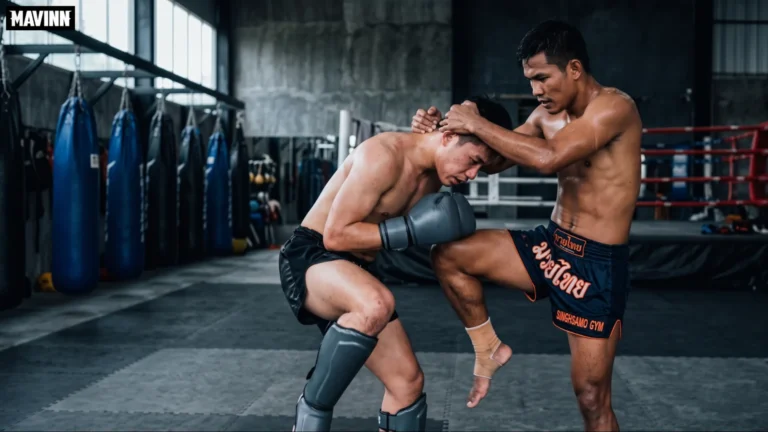
- You can catch an opponent’s kicking leg and take one step forward before sweeping their supporting leg.
- You cannot use hip throws, judo-style reaps, or step on the joint of the knee to force a takedown.
- You must use the side or sole of your foot to sweep, avoiding any tripping with the calf or hooking with the heel.
Damage, Dominance, and Clean Strikes Criteria
Judges score Muay Thai fights based on clean strikes that cause visible physical damage or show clear dominance over an opponent. Landed strikes must have a visible effect, such as throwing the opponent off-balance, pushing them back, or leaving physical marks. For example, a heavy body kick that forces an opponent to drop their guard scores higher than three light jabs.
You must maintain strong ring composure, as showing pain or backing away defensively reduces your scoring potential. Dominance is established when you control the pace, land clean counter-attacks, and remain balanced after throwing strikes. Judges award the round to the fighter who dictates the action and lands the most impactful strikes, typically scoring each round on a 10-point must system.
Strict Rules of Muay Thai Fouls and Illegal Moves
Muay Thai rules strictly prohibit specific hazardous maneuvers to protect fighters from severe injury during competition. You cannot strike an opponent’s groin, use headbutts, or land strikes on a downed opponent. Tripping an opponent with the calf or using hip throws is classified as an illegal technique under World Muaythai Council regulations.
Referees enforce these safety boundaries through a structured progression of warnings, point deductions, and ultimate disqualification. A fighter receives a formal warning for minor infractions like grabbing the ring ropes to prevent a throw. Repeated violations lead to a 1-point deduction from the judges’ scorecards, while severe intentional fouls like eye-gouging trigger immediate disqualification.
Illegal Strikes and Dangerous Moves
Muay Thai strictly bans specific dangerous strikes to protect fighter safety, including headbutts, strikes to the groin, and hitting an opponent who is already down. Fighters cannot use the palm of the glove, the inside of the glove, or the wrist to strike. Infractions like striking the groin or throat will result in an immediate pause by the referee to allow up to 5 minutes of recovery time for the injured athlete.
Dangerous wrestling moves, such as judo-style hip throws, leg sweeps that trip the back of the heel, and slamming an opponent onto the canvas, are completely illegal under standard rules of muay thai. You cannot lock an opponent’s neck to choke them or bend their spine during a clinch. Tripping an opponent with the calf or throwing them using the hip will result in an official warning or immediate point deduction from the 3 judges scoring ringside.
Warnings, Point Deductions, and Disqualification
Referees enforce fighter discipline through three distinct escalating penalties to guarantee ring safety. The process begins with a verbal warning, moves to point deduction, and ends in disqualification for severe offenses. For example, a fighter who repeatedly holds the ropes to avoid a sweep will receive a formal caution.
Persistent rule violations trigger a 1-point deduction from each judge’s scorecard for that round. If a fighter commits a dangerous intentional foul like spitting or headbutting, the referee can bypass warnings and declare an immediate disqualification. The ringside supervisor records these official infractions on the 3 scorecard documents to finalize the decision.
A fighter can also face disqualification if their cornermen enter the ring during active play. This penalty immediately awards the victory to the opponent and terminates the bout. These strict measures ensure matches adhere to the official World Muaythai Council safety regulations.
Read next: Muay Thai Bangkok Stadium, Which is Best
Muay Thai Rules vs. Kickboxing Key Differences
The rules of muay thai differ from kickboxing primarily in the allowed striking points and clinching techniques. Muay Thai utilizes the “art of eight limbs,” which permits fighters to strike using punches, kicks, knees, and elbows. In contrast, kickboxing typically restricts competitors to four striking points, banning elbow strikes entirely to reduce the risk of facial cuts. Our explainer on what kickboxing is covers that ruleset in full.
| Feature | Muay Thai Rules | Kickboxing Rules |
|---|---|---|
| Striking Points | 8 limbs (punches, kicks, knees, elbows) | 4 limbs (punches and kicks only) |
| Clinching | Allowed with active striking and sweeps | Restricted or banned after one strike |
| Sweeps & Throws | Legal foot sweeps and catch-kicks | Strictly illegal |
Understanding these distinctions helps you appreciate the deep tactical differences in pacing and defense between the two combat sports. Kickboxing matches favor rapid punch-kick combinations due to the lack of close-range grappling. Muay Thai bouts emphasize devastating single strikes, scoring heavily on powerful kicks and dominant control during a clinch.
Experience the Rules of Muay Thai Practically at Mavinn Muaythai
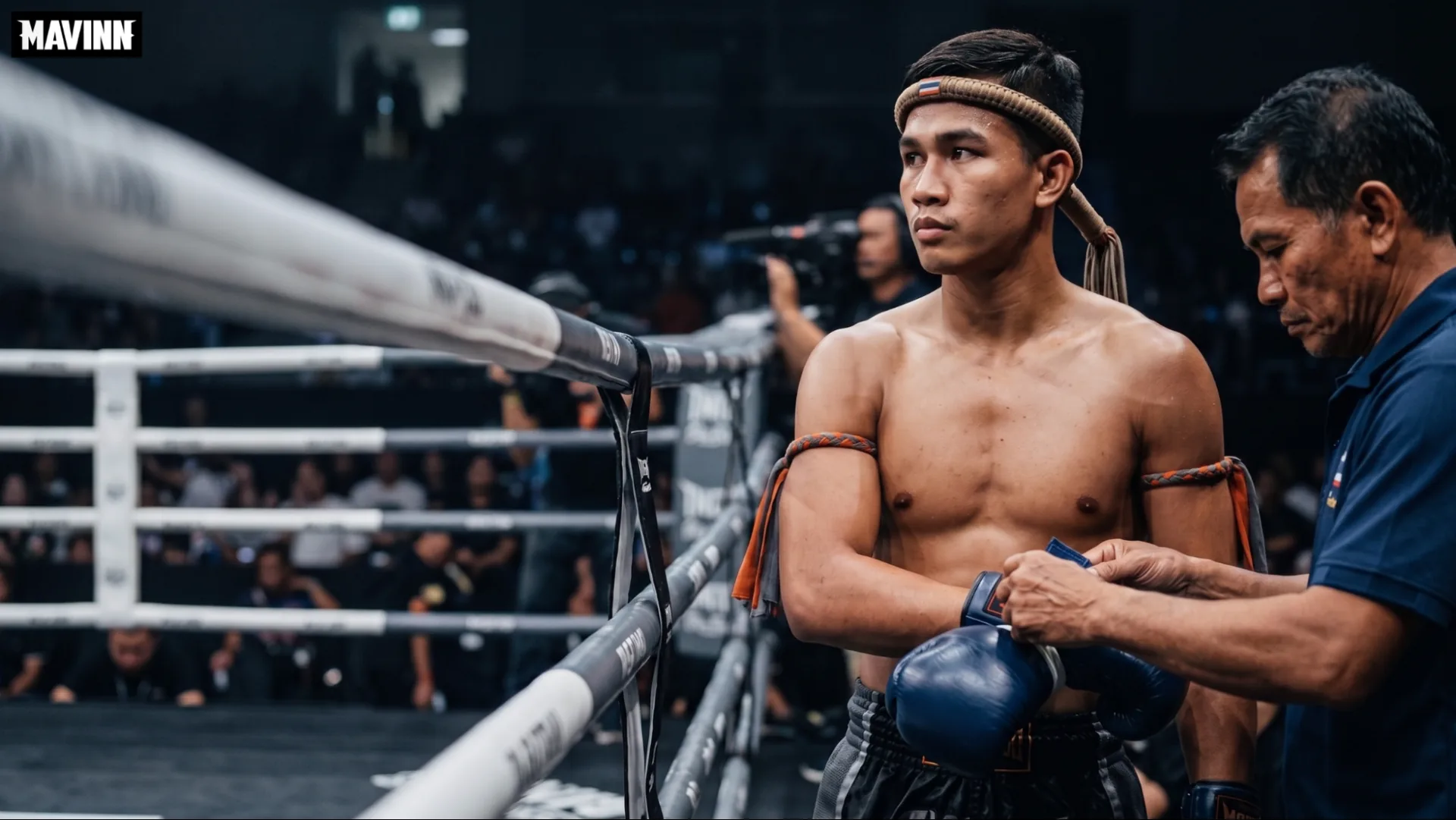
You can master the official rules of Muay Thai by training directly at Mavinn Muaythai. We offer hands-on training programs designed for all fitness levels at our gym locations in Bangkok and Pattaya. Under the guidance of world-class striking specialists like Superbon Singha Mavinn, you will learn how to apply legal scoring strikes in real-time sparring.
Our structured training system focuses on practical application, teaching you how to use the clinch, land clean elbows, and defend against sweeps safely. If you want a fully immersive experience, we provide a Stay and Train package that runs intensive daily workouts across a multi-day block. We also offer online courses featuring step-by-step video tutorials to help you study the technical aspects of the sport.
Beginner Friendly Training in Bangkok and Pattaya
We design our beginner-friendly Muay Thai programs in Bangkok and Pattaya to teach you foundational techniques safely without requiring prior combat experience. Our structured curriculum breaks down the official rules of muay thai into basic movements, ensuring you build confidence at your own pace. Your first session focuses on mastering the basic guard stance, footwork, and 3 fundamental strikes: the jab, cross, and rear kick. We offer tailored training options to fit your lifestyle and learning preferences.
- Nuanchan (Bangkok) Gym: Focuses on daily group classes kept small enough for personalised correction.
- Pattaya Gym: Offers the same daily classes plus our Stay and Train multi-day block.
- Online Courses: Provide step-by-step video work on defensive blocks and legal knee strikes you can follow from home.
FAQs the Rules of Muay Thai
How many rounds are in a standard Muay Thai fight ?
Under the standard Rules of Muay Thai, a professional fight consists of five rounds, with each round lasting exactly three minutes. There is a two-minute rest period between each round to allow fighters to recover, receive strategic advice, and get medical treatment in the corner. This traditional time structure remains the standard for major stadium fights in Thailand, including those at Lumpinee Stadium.
Under some modern promotional rules of muay thai, matches are shortened to three rounds to encourage faster action. Title fights in those same promotions still run the full five rounds. The shorter non-title format forces athletes to engage immediately rather than pacing themselves over the traditional 15-minute duration.
Are elbows and knees allowed in all Muay Thai rulesets ?
Elbows and knees are allowed in traditional rules of muay thai, but certain modified promotions and amateur organizations restrict or ban elbow strikes entirely to protect fighters from severe cuts. While knees are almost universally permitted across all platforms, elbow strikes require specific regulations depending on the promotion. For instance, amateur bouts under IFMA regulations require fighters to wear elbow pads to minimize impact injuries. Different promotions apply these weapons based on their specific fight cards.
- Traditional Stadiums: Venues like Rajadamnern allow unlimited knee and elbow strikes without elbow pads.
- Western Promotions: Some international kickboxing leagues permit single knee strikes during a clinch but ban all elbow strikes.
- Youth Divisions: Junior competitions often ban direct head strikes with knees and elbows to ensure competitor safety.
How does a fight end if there is no knockout ?
If there is no knockout, a Muay Thai fight is decided by the judges’ scorecards after the final round ends. Three ringside judges evaluate each round individually based on clean strikes, dominance, and damage. Under the official rules of Muay Thai, officials use a 10-point must system to score every completed round.
These individual round scores are accumulated to determine a unanimous, split, or majority decision victory. A unanimous decision occurs when all 3 judges agree on the same winner. If the point totals are equal across the cards, the bout is declared a draw.
Conclusion
Mastering the rules of muay thai allows you to appreciate the intricate scoring and defensive structures that define this eight-limbed art. We teach you how to execute legal strikes safely while building the stamina needed for standard bouts. At Mavinn Muaythai, you can practice these techniques under the guidance of world-class trainers at our Nuanchan or Pattaya locations.
Understanding these combat regulations helps you analyze fights with greater technical depth. A proper grasp of the scoring criteria ensures you know how judges evaluate active clinching and powerful kicks over the standard five rounds. To start applying this knowledge, try watching a classic stadium match and scoring the third round yourself.